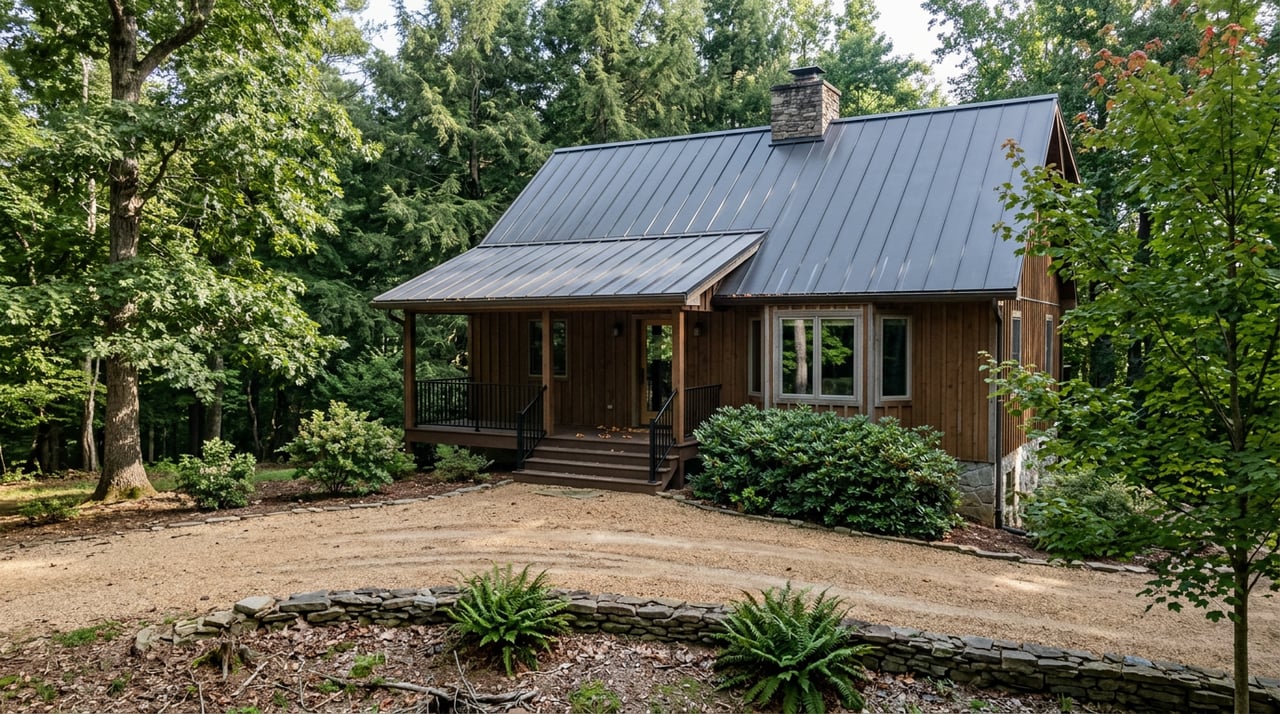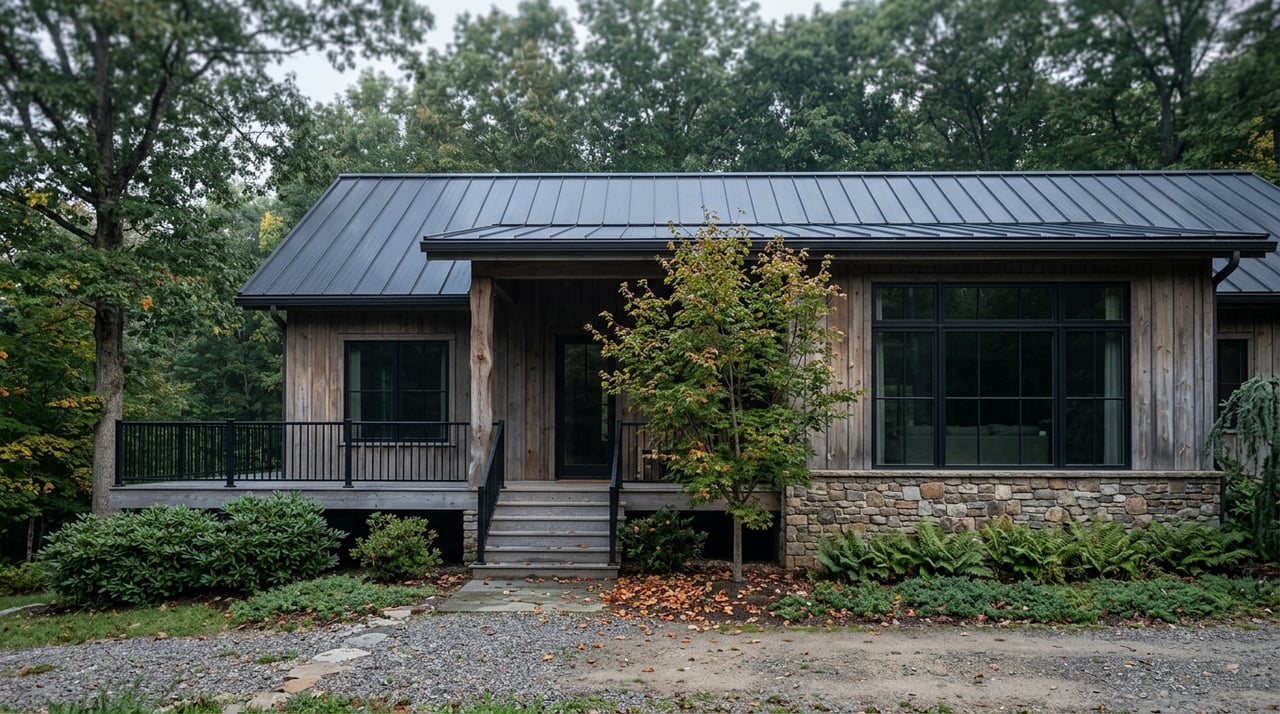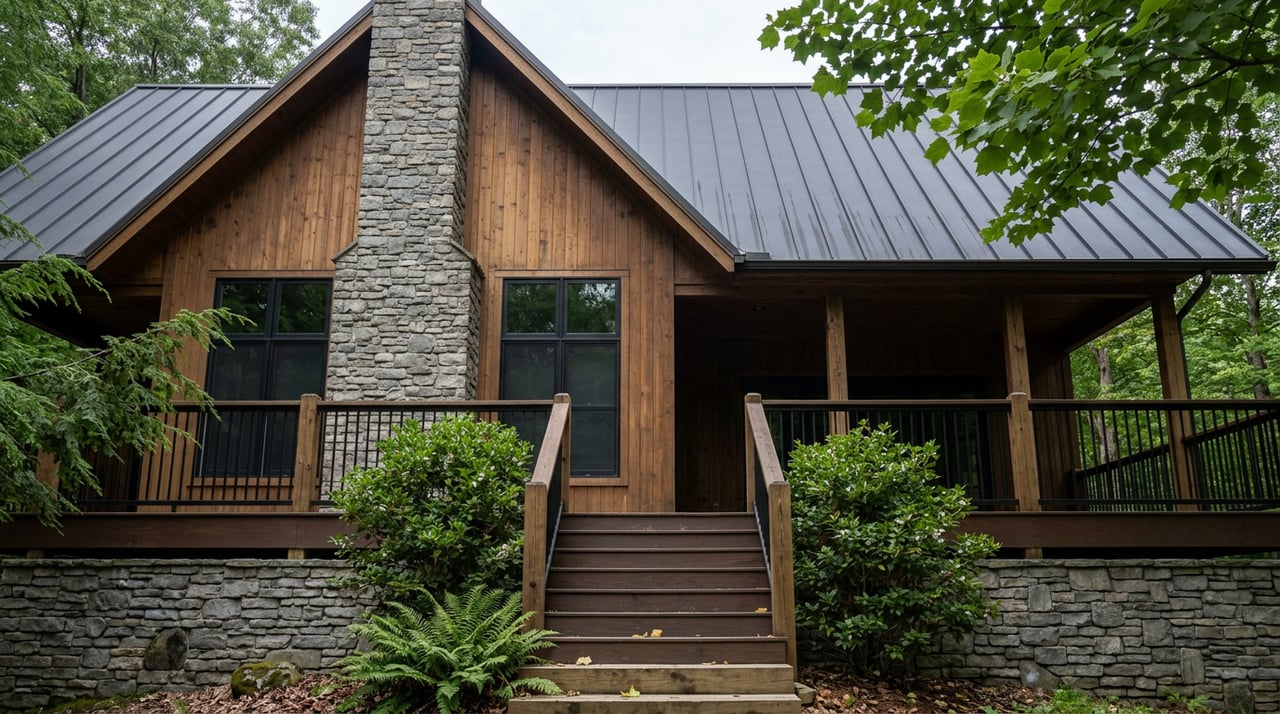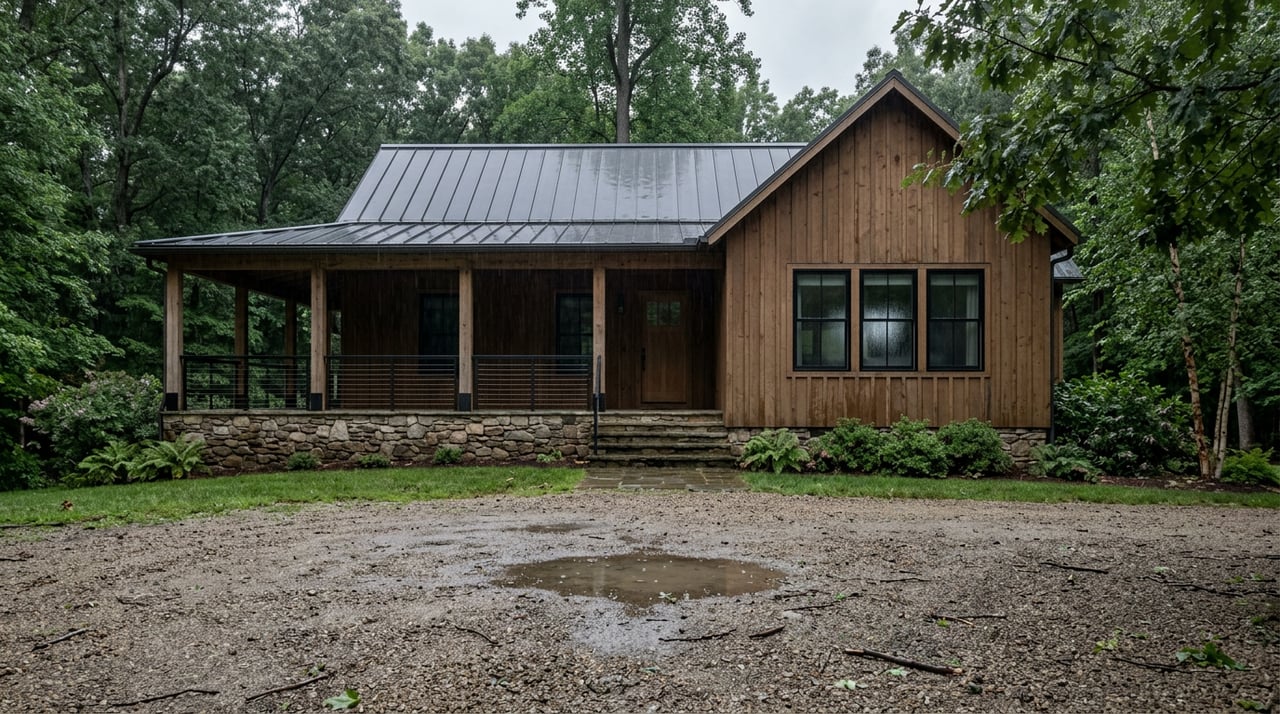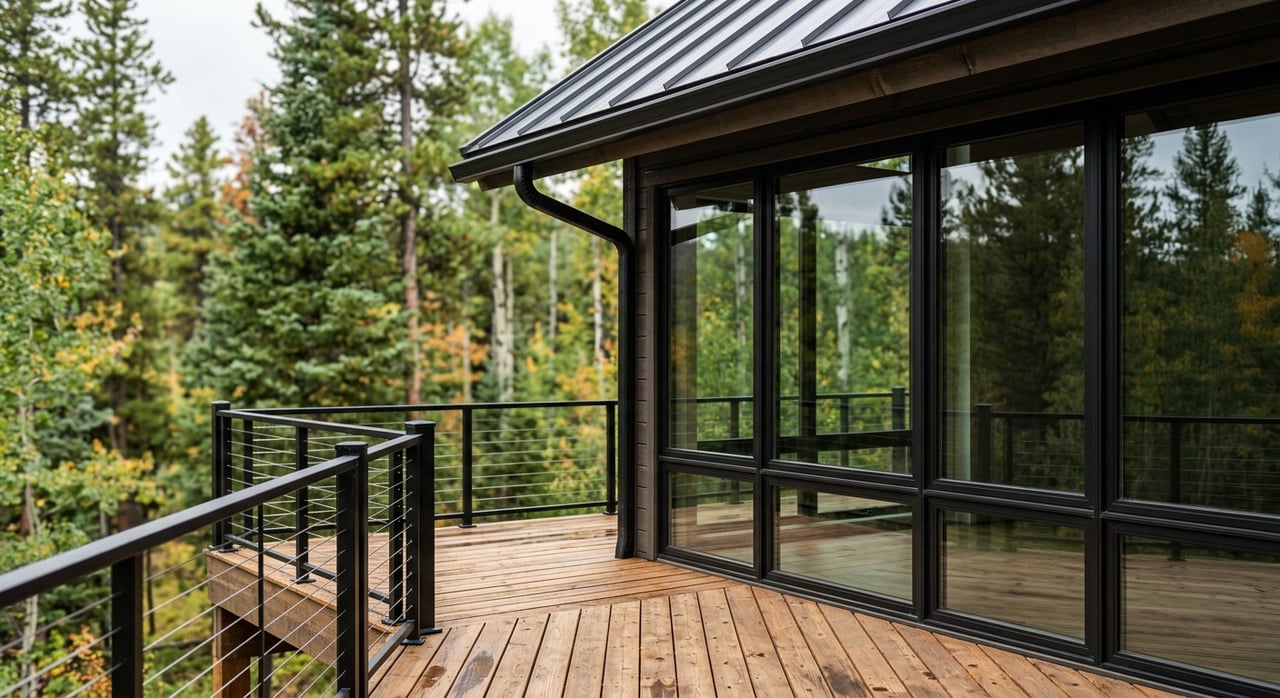
You do not get a second chance at a first impression, especially in Blue Ridge. In a market where buyers often start online and compare cabins by view, outdoor space, and overall condition, the way you list your cabin or chalet can shape both interest and negotiating power. If you want to attract serious buyers and avoid preventable problems, it helps to prepare the property the way this mountain market demands. Let’s dive in.
Understand the Blue Ridge market first
Blue Ridge is not a typical neighborhood market. Demand here is shaped by mountain views, access to outdoor recreation, second-home ownership, and vacation-rental appeal.
Local tourism and destination planning show just how strong that lifestyle pull is. Blue Ridge draws visitors looking for mountain scenery, Lake Blue Ridge, the Toccoa River, trails, fishing, and a cabin experience that feels like a getaway.
That matters when you sell. Many buyers are not just comparing square footage. They are comparing how your property looks, feels, and functions as a mountain retreat.
Pricing also requires a local lens. Current city and county data point to a slower, more negotiable market overall, so you should not assume your cabin will sell quickly or at full asking price just because Blue Ridge is popular.
Price with local cabin comps
In Blue Ridge, broad averages only tell part of the story. Smaller sales counts, varied topography, different view types, and a mix of in-town and county properties can cause prices to swing widely.
That is why local comparable sales matter so much. A cabin with layered mountain views, usable outdoor living space, and easy access may compete very differently than a similar-sized property with limited views or a more challenging approach.
A smart pricing strategy should reflect your exact setting and features. Buyers in this market are selective, and overpricing can lead to extra time on market and more negotiation later.
Fix mountain-home issues first
Before you spend money on décor or staging, handle the issues that mountain buyers worry about most. For cabins and chalets, moisture and maintenance usually matter more than surface-level upgrades.
USDA Forest Service guidance on log homes stresses the importance of keeping the structure dry. That makes roof leaks, drainage, flashing, gutters, log seams, wood rot, and water near the foundation high-priority items before listing.
If buyers see signs of moisture trouble, they often become cautious fast. A beautiful great room or updated kitchen will not offset concern about long-term structural or exterior maintenance.
Start with the exterior envelope
Focus first on the parts of the home that protect everything else:
- Roof condition
- Gutters and downspouts
- Flashing details
- Chinking or log seams, if applicable
- Soft or damaged wood
- Stain or finish failure
- Drainage near the foundation
In Blue Ridge, exterior condition sends a strong signal. Buyers expect a mountain property to be maintained for weather, slope, and moisture.
Check septic and well records
If your property has a septic system, maintenance records can help support buyer confidence. EPA guidance says the average household septic system should be inspected at least every three years and pumped every three to five years.
If your cabin uses a private well, testing history also matters. The Georgia Department of Public Health recommends chemical screening every three years, and regular testing is especially important after repairs, flooding, or noticeable changes in water quality.
You do not want buyers wondering whether these systems have been ignored. Organized service records can make your listing feel more credible and more move-in ready.
Refresh the outdoor features buyers notice
In Blue Ridge, outdoor features are often central to the sale. Local home-trend data points to decks, front porches, backyards, and driveways as features tied to stronger sale-to-list performance.
That means your prep list should not stop at the front door. If the deck has worn boards, the porch floor looks tired, or the driveway feels rough or neglected, address those items before photos and showings.
The goal is simple: help buyers feel that the property is ready to enjoy. In a mountain market, outdoor living is not a bonus. It is part of the main product.
Prioritize these updates
A few targeted improvements can make a big difference:
- Replace damaged deck boards or railings
- Pressure wash porches, steps, and walkways
- Touch up exterior stain or paint where needed
- Trim back growth that blocks views or access
- Improve driveway appearance and entry approach
- Clean hot tubs, outdoor seating areas, and fire-feature zones
These updates help your property photograph better and show better. They also reinforce the lifestyle buyers are shopping for.
Market the experience, not just the house
Blue Ridge buyers are often shopping online before they ever schedule a showing. National buyer data shows that many begin their search on the internet, and listing photos are one of the most important factors in how they evaluate a property.
That is especially true for cabins and chalets. Buyers want to see the view, the porch, the deck, the fireplace, the hot tub, the loft, and the places where they imagine spending time.
Your listing should present the property as an experience. In Blue Ridge, lifestyle sells alongside the floor plan.
Lead with the right photos
Do not make the first image a basic front-door shot if the real draw is the view or outdoor living area. Your opening photo sequence should highlight the strongest parts of the property first.
That often means featuring:
- The best exterior angle
- Long-range mountain views or water views
- Main deck or porch space
- Great room with fireplace
- Hot tub or outdoor gathering area
- Windows that frame the setting
- Driveway, parking area, and arrival feel
For many out-of-area buyers, those images will determine whether they book a showing. The photos need to answer the question, “What does it feel like to be here?”
Keep photos honest
Professional photography is worth it, but accuracy matters just as much as quality. Images should brighten the home and show it clearly without changing room size, hiding condition issues, or exaggerating the view.
If buyers travel to Blue Ridge and find a different reality than the listing promised, trust is lost right away. Honest presentation helps attract the right buyers and reduces disappointment during showings.
Prepare for showings around guest use
If your cabin is actively used as a short-term rental, showing logistics need extra attention. You want showings to be smooth without creating problems for guests, cleaners, or local compliance.
A good plan is to schedule around guest stays and turnover windows whenever possible. That helps protect the guest experience and gives your property a better chance to show clean, calm, and ready.
It also helps reduce stress on your side. Last-minute interruptions can create clutter, missed details, and rushed access, which rarely helps a sale.
Verify city or county rental rules
One of the biggest listing mistakes in Blue Ridge is assuming all short-term rental rules are the same. They are not.
If your property is inside Blue Ridge city limits, the city has its own short-term vacation rental ordinance. The city code states that short-term vacation rentals may be offered only on properties zoned Central Business District, and the required rental certificate and occupation tax certificate must be issued before renting.
If your property is in unincorporated Fannin County, the county has a separate process. The county requires items such as a maximum occupancy limit, E-911 address markers, and a local point of contact, and it states that renting without the certificate can result in a $1,000 fine.
Gather these documents before listing
If your cabin is used as a vacation rental or may appeal to rental-minded buyers, organize key paperwork early:
- Confirmation of whether the property is in city limits or county jurisdiction
- Current short-term rental certificate status, if applicable
- Occupation tax certificate status, if applicable
- Occupancy limits
- Monthly tax filing history, if required
- Local contact information, if required
- Guest or emergency posting details, if required
- Recent septic, well, and maintenance records
This step can affect both marketability and buyer confidence. A turn-key rental story is only valuable if the paperwork supports it.
Build your listing around what buyers value
The best Blue Ridge cabin listings connect three things clearly: lifestyle, utility, and compliance. Buyers want the view and the mountain feel, but they also want to know the home has been maintained and that any rental use is properly documented.
That is why the right listing process usually follows this order:
- Fix moisture, drainage, and core system issues
- Refresh decks, porches, driveways, and outdoor living areas
- Organize septic, well, and rental documentation
- Create high-quality, accurate photography
- Price from very local comparable sales
- Coordinate showings carefully if the property is guest-occupied
This approach fits how Blue Ridge buyers actually shop. It also helps your property stand out for the right reasons in a market where negotiation is common.
Why local guidance matters
Blue Ridge cabins and chalets are not one-size-fits-all properties. Slope, access, view orientation, rental status, utility setup, and even whether the property sits in the city or county can all affect how you should price and present it.
That is where local, mountain-market experience matters. You want a listing strategy built around the actual property, not a generic checklist borrowed from a suburban market.
When your pricing, prep, and marketing all line up with the way Blue Ridge buyers think, your home has a much better chance to attract serious attention and stronger offers. If you are getting ready to sell, The Randy Dockery Team can help you evaluate your cabin or chalet, prepare it for the market, and build a listing plan around what buyers in North Georgia are really looking for.
FAQs
What should you fix before listing a Blue Ridge cabin or chalet?
- Start with moisture-related and structural concerns such as roof leaks, gutters, flashing, drainage, log seams, damaged wood, and exterior finish issues before spending on cosmetic updates.
What photos matter most for a Blue Ridge cabin listing?
- The strongest listing photos usually show the best exterior angle, mountain or water view, deck or porch space, fireplace, hot tub, and the overall arrival experience.
What records should you gather before selling a Blue Ridge mountain home?
- Helpful records include septic service history, well testing or screening history, exterior maintenance details, and any short-term rental permits, occupancy information, or tax filings that apply.
What short-term rental rules matter for Blue Ridge cabin sellers?
- You should first confirm whether the property is inside Blue Ridge city limits or in unincorporated Fannin County, because the city and county have different short-term rental requirements and certificate processes.
How should you price a cabin or chalet in Blue Ridge GA?
- Price it using very local comparable sales and property-specific features such as view, access, outdoor living space, and rental setup, because broad averages can miss what really drives value in this market.