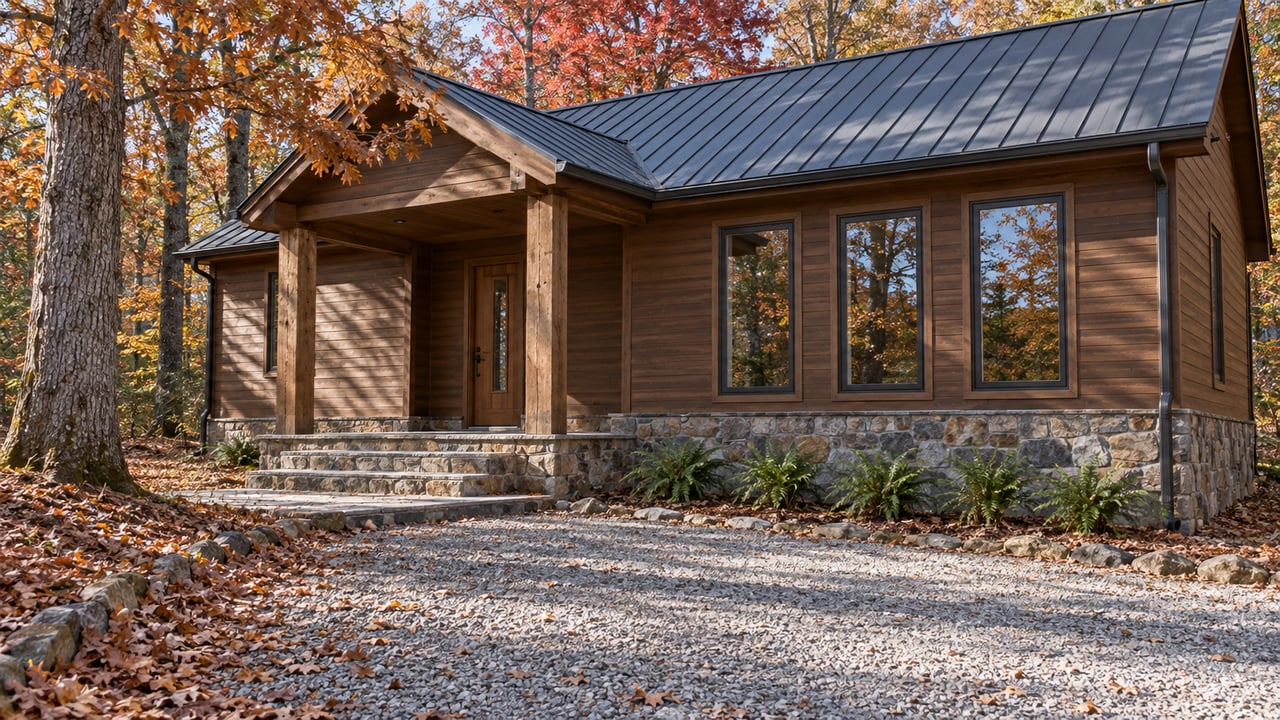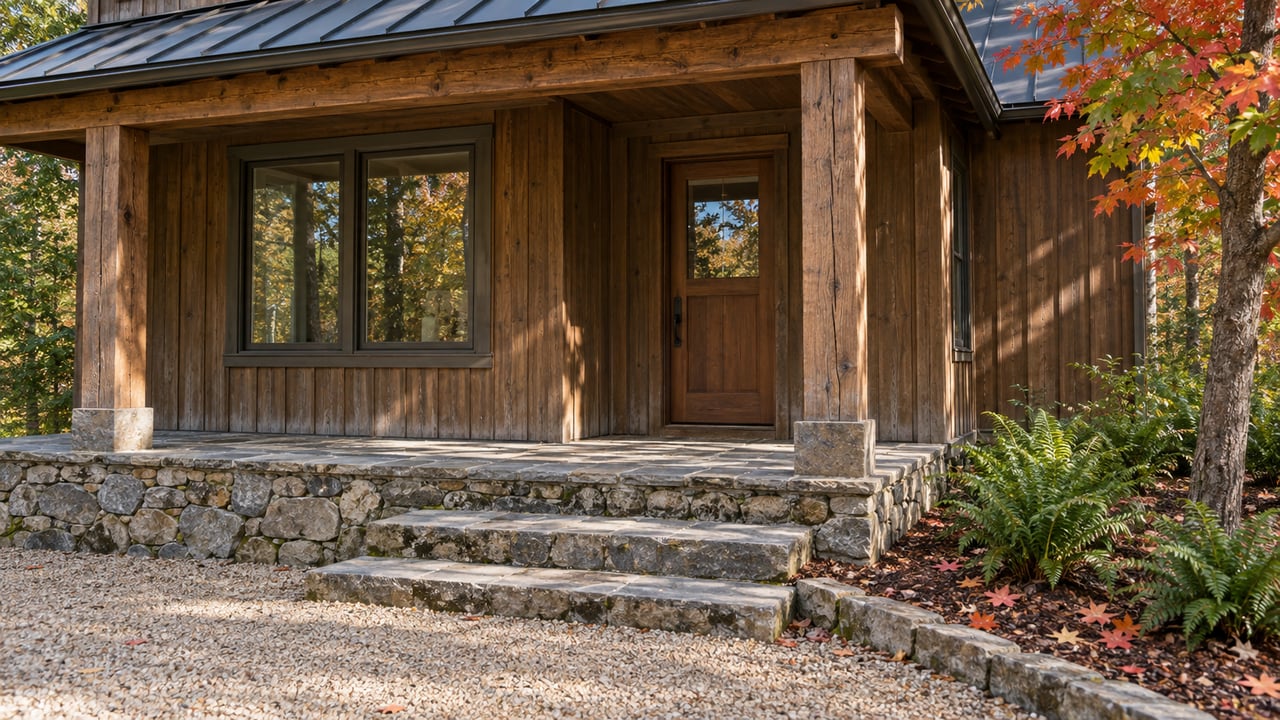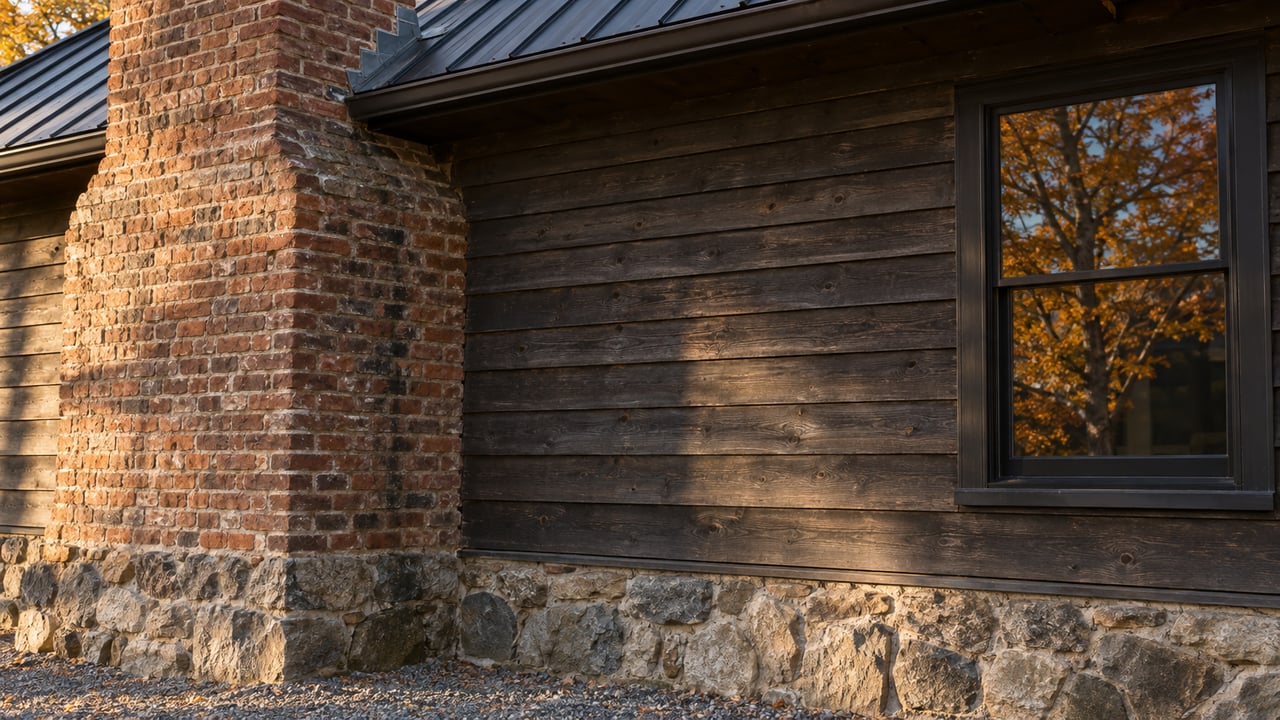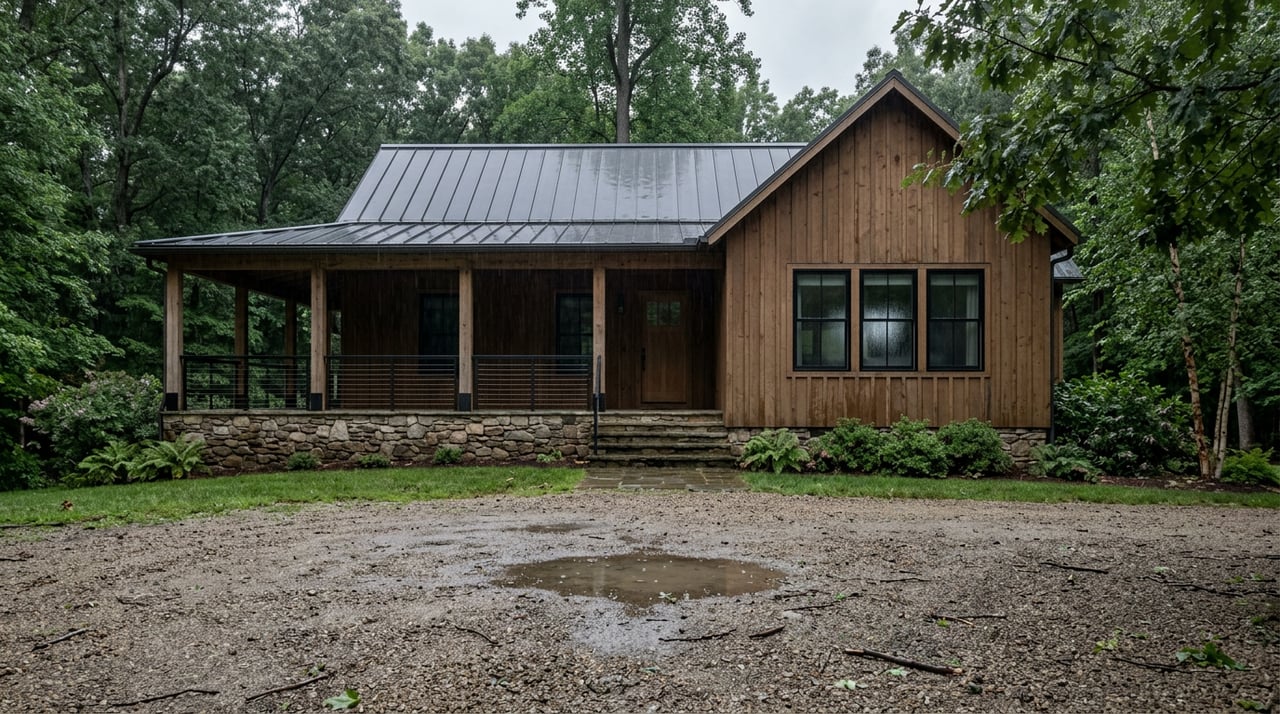
A buyer in Marietta finds a log cabin on Hiwassee Lake, gets ready to write an offer, and does what any careful person does: Googles "North Carolina due diligence fee." What comes back is a wall of advice built for Raleigh and Charlotte, warning that a competitive offer might need a due diligence check in the five figures, sometimes running as high as 1 to 2 percent of the purchase price or more when multiple buyers are circling the same listing. That buyer closes the laptop feeling like they need $15,000 in cash just to get taken seriously.
Here's the part that guide never mentions: the seller of that cabin isn't fielding six competing offers this week. Cherokee County's residential market closed 2025 with roughly 749 sales, an average price near $393,600, and homes sitting on the market an average of 132 days before selling. By July 2026, the county's multiple listing service was tracking 342 active listings against 51 closings for the month, which works out to something close to seven months of supply. That's not a market where a buyer needs to overpay for urgency.
So the check itself usually isn't where a Murphy buyer gets hurt. The calendar is. And that's the part almost none of the generic due diligence guides address, because it only matters on the kind of property Cherokee County actually sells: acreage, wells, septic systems, and land that has never been surveyed.
Two Checks, Two Different Promises
North Carolina is the only state that structures its standard purchase contract this way, so it's worth being precise about what each payment actually does. When a buyer and seller sign the Offer to Purchase and Contract, the buyer typically owes two separate payments. One is the due diligence fee. It buys the buyer the right to walk away for any reason, or no reason, before the due diligence period ends. Earnest money is treated differently: it stays refundable to the buyer as long as they terminate before that same deadline. Miss the deadline without terminating in writing, and both payments are at risk.
The North Carolina Real Estate Commission's own guidance puts it plainly: the buyer typically gets back the earnest money but not the due diligence fee, unless the parties negotiated it otherwise. Both amounts credit toward the purchase price if the deal closes. Neither one is optional in most practice, even though Green Mistretta Law explains that the law doesn't technically require either.
Why a Smaller Check Buys More Time Here
In a competitive subdivision resale near Charlotte, a bigger due diligence fee signals seriousness to a seller who has other offers to compare it against. In Cherokee County, that leverage mostly doesn't exist, because the leverage buyers actually need here isn't a bigger check. It's more days.
A rural mountain seller who understands their own property tends to accept a smaller, less painful due diligence fee in exchange for a longer window, because they know what a buyer has to accomplish before that window closes: a septic evaluation, a well test, sometimes a fresh survey on land that hasn't been platted in decades. None of that happens on a Charlotte timeline.
Here's roughly how the two situations compare:
| Competitive urban resale | Cherokee County acreage or cabin | |
|---|---|---|
| Typical due diligence fee | Often several thousand dollars, sometimes far more in a bidding war | Frequently a few hundred to low thousands |
| Typical due diligence period | As short as 5 to 14 days | 21 to 30 days is common on rural parcels |
| What drives the trade-off | Competing offers, seller wants speed and certainty | Septic, well, and survey work simply take longer |
The number that should worry a Murphy buyer isn't the size of that first check. It's whether the period attached to it gives them enough time to actually finish the work.
The Part No Template Accounts For: One Window, Every Test
North Carolina's due diligence period isn't a stack of separate contingencies stapled together. It's one window that has to cover the inspection, the appraisal, the loan approval, the title review, and on a rural parcel, everything specific to that land. Once the window closes, the buyer is committed.
That single-window structure is exactly why a 10 to 14 day period, borrowed from a template written for a subdivision with municipal water, tends to fall apart on a Cherokee County property. A septic system here needs an evaluation tied to percolation, slope, and soil type, and the county health department is the one issuing that permit, not the buyer's inspector. A property on well water needs a flow and quality test scheduled early enough to get results back before the deadline. A parcel that hasn't been surveyed in a generation needs a new plat, and rural surveys are typically priced per acre rather than as a flat fee, so a boundary survey on a 10 or 15 acre tract takes real calendar time to complete, not a rushed afternoon.
None of that is exotic. It's simply what "due diligence" means when the property in question is a cove lot on Hiwassee Lake or twelve acres off a gravel road instead of a townhouse three miles from downtown. The buyers who get burned aren't the ones who wrote too small a check. They're the ones who agreed to a period built for someone else's market and then had to choose between rushing a septic evaluation or losing their due diligence money on day 14.
Before You Write the Offer
A short list worth working through with whoever is representing you locally, before the due diligence clock starts running:
- Ask whether the property has a current septic permit or a recent evaluation on file with the county health department, rather than assuming one exists.
- Get a well flow and quality test scheduled the same week you go under contract, not after the inspection report comes back.
- If the parcel hasn't been surveyed recently, budget that cost by the acre and build the time for it into your period, not around it.
- Confirm in writing who holds the earnest money and exactly how the due diligence fee needs to be delivered, check or wire, and by when.
- Set your due diligence period to match the property in front of you, not the advice you read for a different county.
A Few Questions Worth Settling Early
Is earnest money legally required in North Carolina? No. Neither earnest money nor a due diligence fee is required by law, but nearly every standard contract in the state includes both, and a seller can reasonably expect to see them.
Does buying vacant land work the same way? Not exactly. NC REALTORS® says North Carolina uses a separate standard contract form built specifically for vacant land purchases, distinct from the one used for homes. If you're buying acreage rather than a finished house, make sure whoever drafts your offer is using the right form.
What happens if the period ends and testing isn't finished? You're committed. That's the entire reason to size the period to the property rather than to a number that felt safe in another market.
None of this changes the fact that Murphy is still a place where a smaller check and a fair amount of patience go a long way. What it means is that the patience needs to be measured in the right number of days, not borrowed from a market that doesn't share Cherokee County's soil, its wells, or its pace.
If you're weighing an offer on a cabin, a lake lot, or a parcel of acreage anywhere in Cherokee County or the surrounding North Georgia towns, The Randy Dockery Team can help you structure a due diligence fee and timeline that actually fits the property, not just the paperwork. Reach out for a free consultation and local market advice before you write that first check.
This article is general information, not legal, tax or financial advice. Consult a qualified professional about your situation.