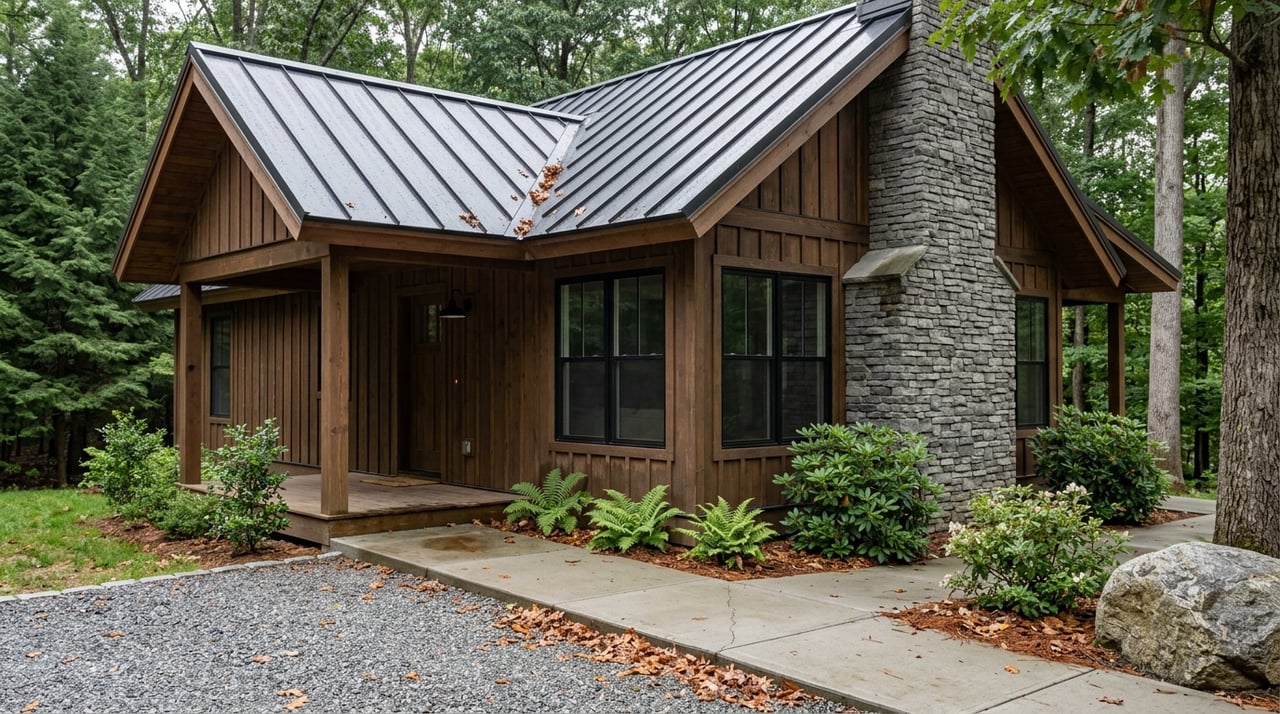
If you have been watching Blue Ridge real estate and wondering why the market can feel busy one month and measured the next, you are not imagining it. Blue Ridge is not a typical metro market. It moves to the rhythm of the seasons, local tourism, lake activity, and the kinds of properties buyers come here to find. In this guide, you will see how seasonality shapes buyer demand, listing strategy, and timing in Blue Ridge so you can make smarter decisions. Let’s dive in.
Why seasonality matters in Blue Ridge
Blue Ridge, Georgia has a real estate market that tends to follow the calendar in noticeable ways. National housing patterns often bring more activity in spring and summer, but Blue Ridge adds its own local layer through mountain tourism, lake recreation, and fall foliage.
That means the best time to buy or sell can depend not only on the broader market, but also on the type of property you own or want to purchase. A cabin, lake home, or in-town property may each follow a slightly different seasonal pattern.
Blue Ridge is not a one-size-fits-all market
Current market snapshots show a market that looks cooler than a high-speed seller frenzy. Recent portal data shows different numbers depending on whether the source is tracking closed sales, active listings, or estimated values, but the overall picture is consistent: timing and pricing still matter.
For example, Redfin reports a median sale price of $642,116 and 138 days on market over the last three months. Realtor.com shows a $719,000 median list price and 53 median days on market, while labeling the area a buyer's market. Zillow reports a home value estimate of $521,038 and about 34 days to pending.
Those numbers are not directly comparable because each platform uses a different method. Still, they point to an important takeaway for you: Blue Ridge real estate rewards a local, property-specific strategy rather than broad assumptions.
Spring and summer bring more movement
Across housing markets, spring and summer usually bring more buyers, more listings, and more showings. Blue Ridge follows that pattern, and local tourism tends to strengthen it.
The area’s annual calendar includes spring events like the Trout Festival and Spring Arts in the Park. Summer brings major draws like July 4 festivities at Lake Blue Ridge and Ridge Jam. When more people are visiting and spending time in town, more buyers are naturally exposed to the market.
For sellers, this often means stronger visibility during the warmer months. For buyers, it usually means more choices, but also more competition for well-positioned homes.
What this means for sellers
If you want to capture spring or summer demand, it often helps to list ahead of the season rather than wait until it is already in full swing. That gives your property a chance to meet buyers as interest starts building.
In a market like Blue Ridge, preparation matters. Good timing, realistic pricing, and strong presentation can make a bigger difference than simply waiting for a busy month.
What this means for buyers
If you shop in spring or early summer, you may see the widest selection. You may also run into more active competition, especially for cabins, lake properties, or homes with standout mountain views.
That does not mean you should avoid those seasons. It simply means you should be ready to move with clarity when the right property appears.
Fall can be a prime season for mountain appeal
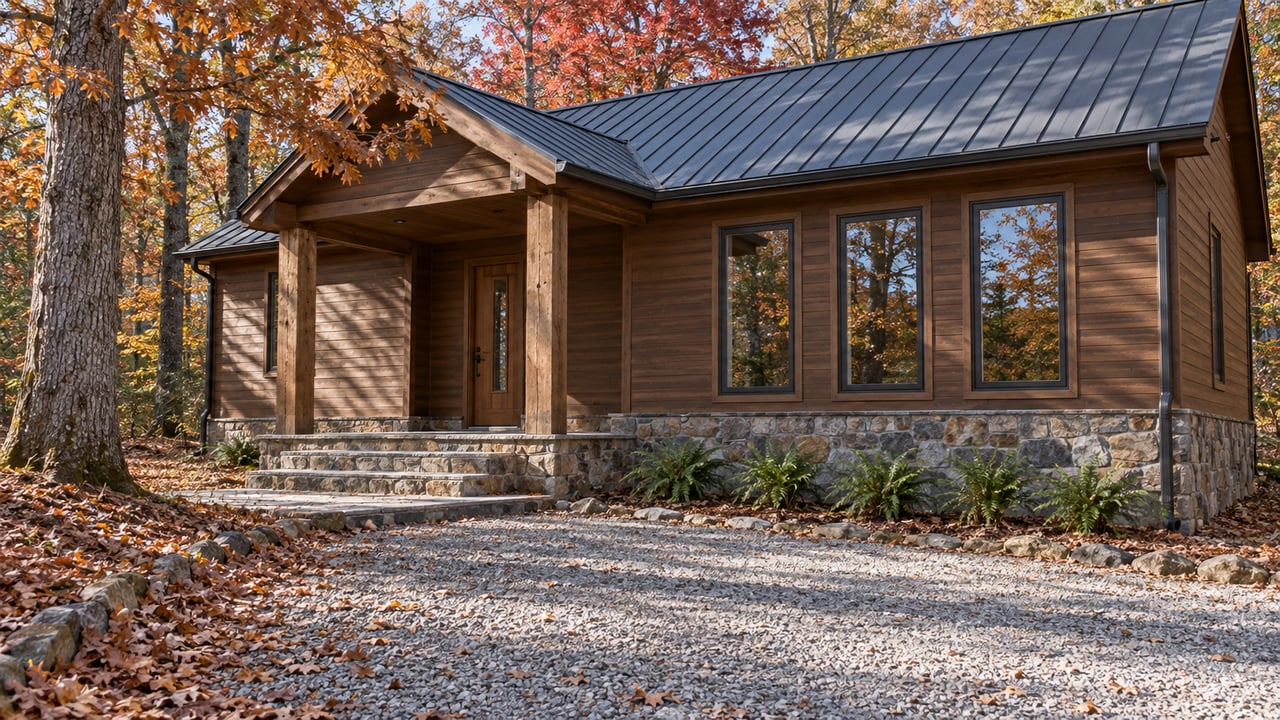
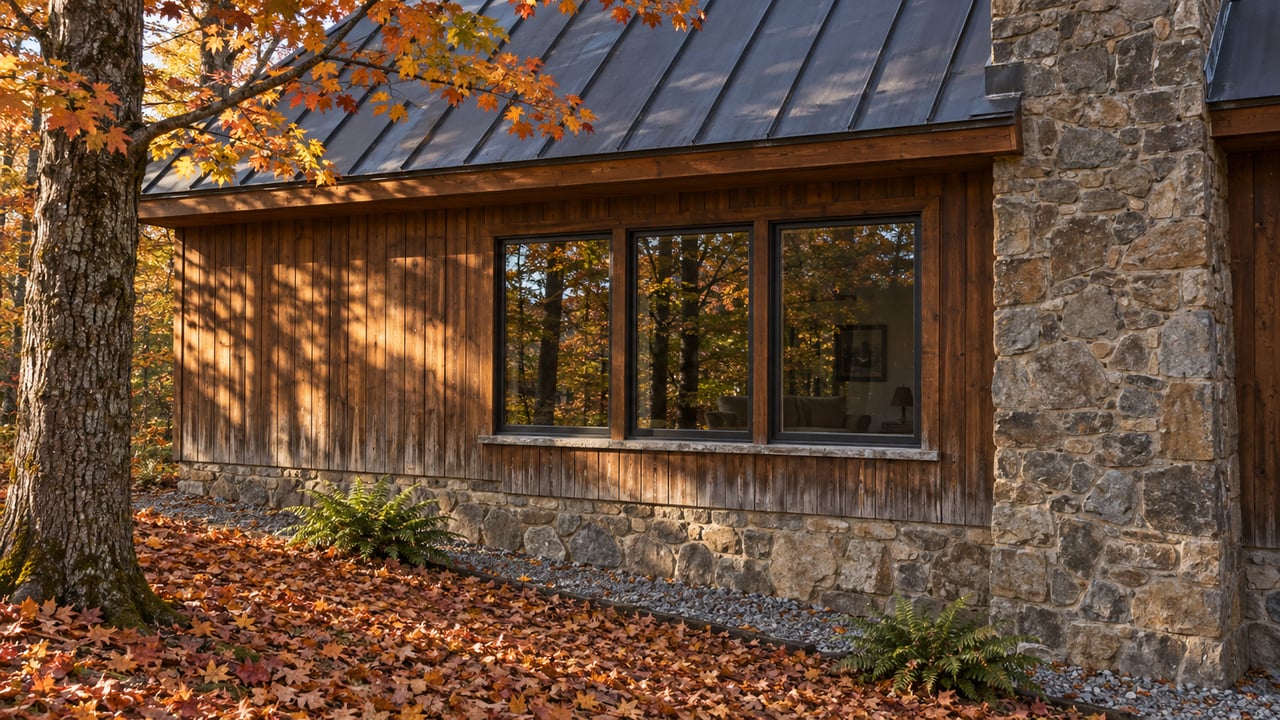
In many markets, fall feels like a slowdown. In Blue Ridge, fall can be one of the most visually compelling times of year, especially for cabins and view properties.
Leaf season is a major attraction in this part of North Georgia. Georgia Forestry Commission updates show color change through October, and late October in the Blue Ridge Mountains often brings near-peak foliage at key elevations. For homes with mountain views, wooded settings, or outdoor living spaces, that backdrop can make a property especially memorable.
This matters because buyers in Blue Ridge are often purchasing more than square footage. They are responding to a lifestyle, a setting, and an experience. Fall tends to showcase all three.
Why cabins often shine in autumn
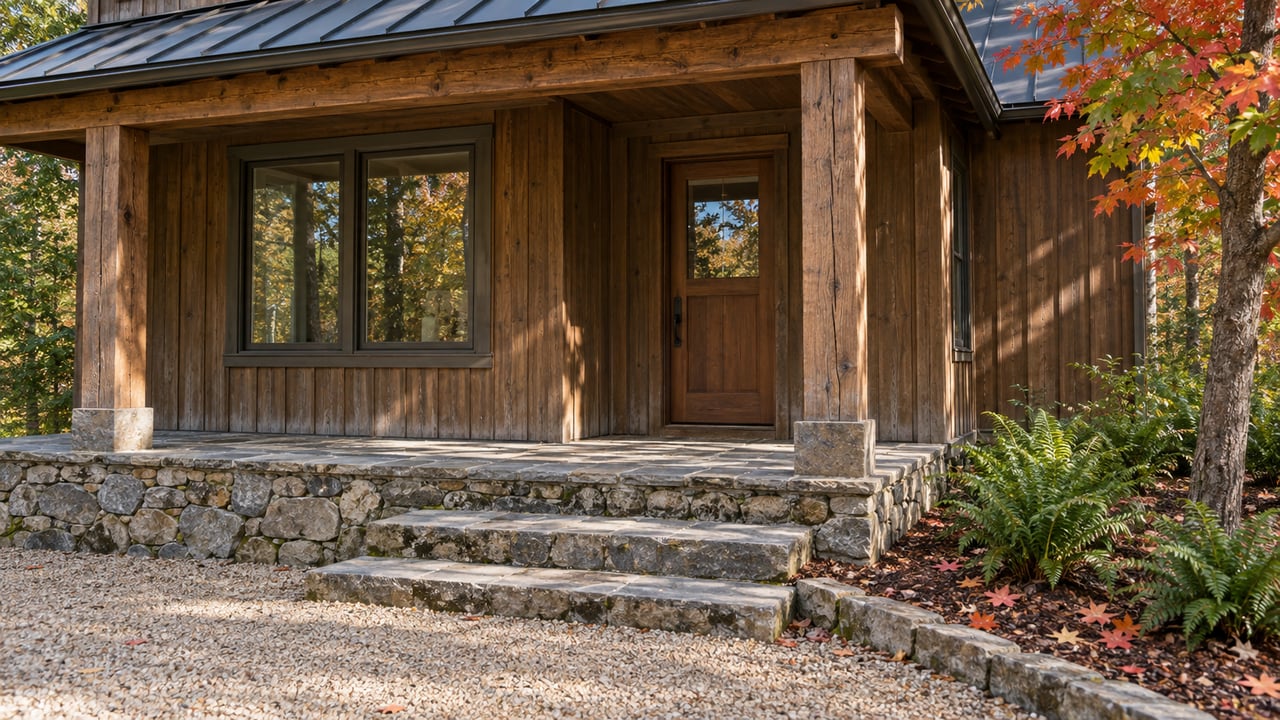
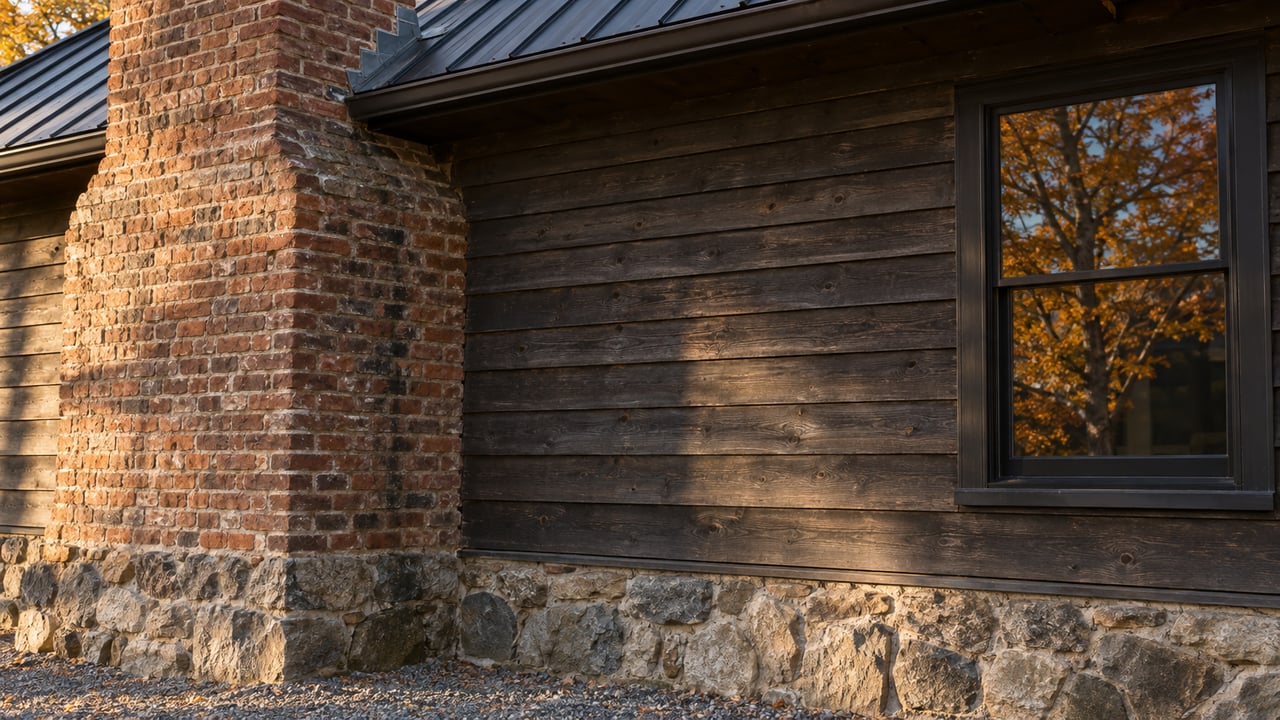
Cabins are one of the most seasonal property types in Blue Ridge. The combination of tourism, scenery, and vacation-rental demand tends to give them broader appeal from late spring through fall.
By October, buyers can picture cool-weather weekends, mountain views, and holiday use. If a cabin photographs well with fall color, that season can become a strong marketing window.
Lake season shapes lake-home demand
Lake Blue Ridge adds another layer to the local market. The lake covers about 3,290 acres and supports boating, swimming, paddling, camping, and marina activity, all of which help drive warm-season interest in nearby homes.
Morganton Point campground typically opens in April and closes at the end of October. Reservoir levels also usually vary from summer to winter. Together, those patterns suggest that lake homes often show their strongest appeal from roughly April through October.
For you as a seller, that means listing timing can influence how buyers experience the property. For you as a buyer, it means a summer showing and a winter showing may feel very different, even at the same address.
Best seasons for lake listings
Lake properties often benefit from being marketed when outdoor use is easiest to picture. Think active docks, fuller recreational use, green surroundings, and easy access to boating or swimming.
Early fall can also work well, especially when a property combines water access with strong mountain or wooded views. In Blue Ridge, visual appeal and seasonal use often go hand in hand.
In-town homes may be less seasonal
Not every property in Blue Ridge moves on the same cycle. In-town homes are generally less tied to one peak season because downtown Blue Ridge has year-round shopping, dining, events, and holiday programming.
That steadier activity can help in-town homes draw attention across more months of the year. Still, spring and summer often bring more visitor traffic, which can increase exposure and casual interest from out-of-area buyers.
If you are selling an in-town home, the seasonal effect may be softer than it is for a cabin or lakefront property. Even so, timing, condition, and pricing remain key.
Short-term rental seasonality influences cabins
Blue Ridge also has a large short-term rental presence, which matters for many second-home and cabin buyers. AirDNA reports 2,210 active short-term rentals in Blue Ridge, a 47% annual occupancy rate, and a seasonality score of 77 out of 100.
Rabbu estimates July as the peak revenue month, with October as a secondary peak and January and February as the weakest months. That is not the same thing as for-sale demand, but it helps explain why some buyers and sellers pay close attention to the calendar.
If you are buying or selling a cabin, vacation-rental patterns may shape buyer expectations around pricing, presentation, and timing. That is especially true when a property is being considered as a personal retreat, an investment, or both.
What current Fannin County data suggests
Local MLS data gives useful context because it reflects the market on a more apples-to-apples basis. In June 2026, Georgia MLS reported 557 active listings, 123 new listings, 56 units sold, and a median sales price of $652,500 in Fannin County.
Compared with May, June brought fewer new listings and a lower median sales price, but more units sold. That suggests real summer activity without pointing to an overheated seller’s market.
This lines up with broader portal signals that describe a market where buyers have some room, sellers still need to be strategic, and outcomes depend heavily on segment, condition, and price point.
Practical timing tips for buyers and sellers
Seasonality does not mean every property follows the same script. It does mean your timing should fit your goals and property type.
Here are a few practical takeaways:
- If you are selling a cabin, aim to be market-ready before late spring, summer, or fall foliage season.
- If you are selling a lake home, try to capture the months when lake use and outdoor appeal are easiest to see.
- If you are selling an in-town home, focus on pricing and presentation year-round, with extra attention to higher-traffic spring and summer months.
- If you are buying in spring or early summer, expect more competition for standout properties.
- If you are buying in winter, you may find fewer casual shoppers and a slower pace, which can help serious buyers negotiate more calmly.
The biggest lesson is simple: the right season depends on the property. In Blue Ridge, a broad market headline rarely tells the full story.
Why local guidance matters
Because Blue Ridge includes cabins, lake homes, land, and in-town properties, market timing is rarely universal. A lakefront listing does not behave exactly like a downtown home, and a view cabin does not always move like raw acreage.
That is why fresh local MLS data by segment matters so much. It helps you compare similar properties on the same basis and make decisions grounded in what buyers are doing right now.
When you work with a team that understands mountain and lake markets, you can look beyond generic headlines. You can build a plan around the season, the property, and your goals.
If you are thinking about buying or selling in Blue Ridge or the surrounding North Georgia mountains, The Randy Dockery Team can help you time the market with practical local insight and a strategy built for your property.
FAQs
How does seasonality affect Blue Ridge GA real estate?
- Blue Ridge real estate usually sees more activity in spring and summer, strong visual appeal in fall, and a slower pace in winter, especially for cabins and lake homes.
When is the best time to sell a cabin in Blue Ridge GA?
- Cabins often attract the broadest audience from late spring through fall, with fall foliage season adding extra appeal for view-focused properties.
When is the best time to sell a lake home in Blue Ridge GA?
- Lake homes are often best positioned from about April through October, when boating, swimming, and outdoor lake use are easiest for buyers to picture.
Are in-town homes in Blue Ridge GA seasonal too?
- Yes, but usually less than cabins or lakefront homes because downtown Blue Ridge has year-round shopping, events, dining, and holiday activity.
Is Blue Ridge GA a buyer’s market right now?
- Recent portal snapshots suggest a cooler market with buyer-friendly conditions in some segments, but the best answer depends on the specific property type, price range, and current local MLS data.
Should buyers wait until winter in Blue Ridge GA?
- Winter can offer a slower pace and fewer casual shoppers, which may benefit serious buyers, but selection may also be smaller than in spring or summer.