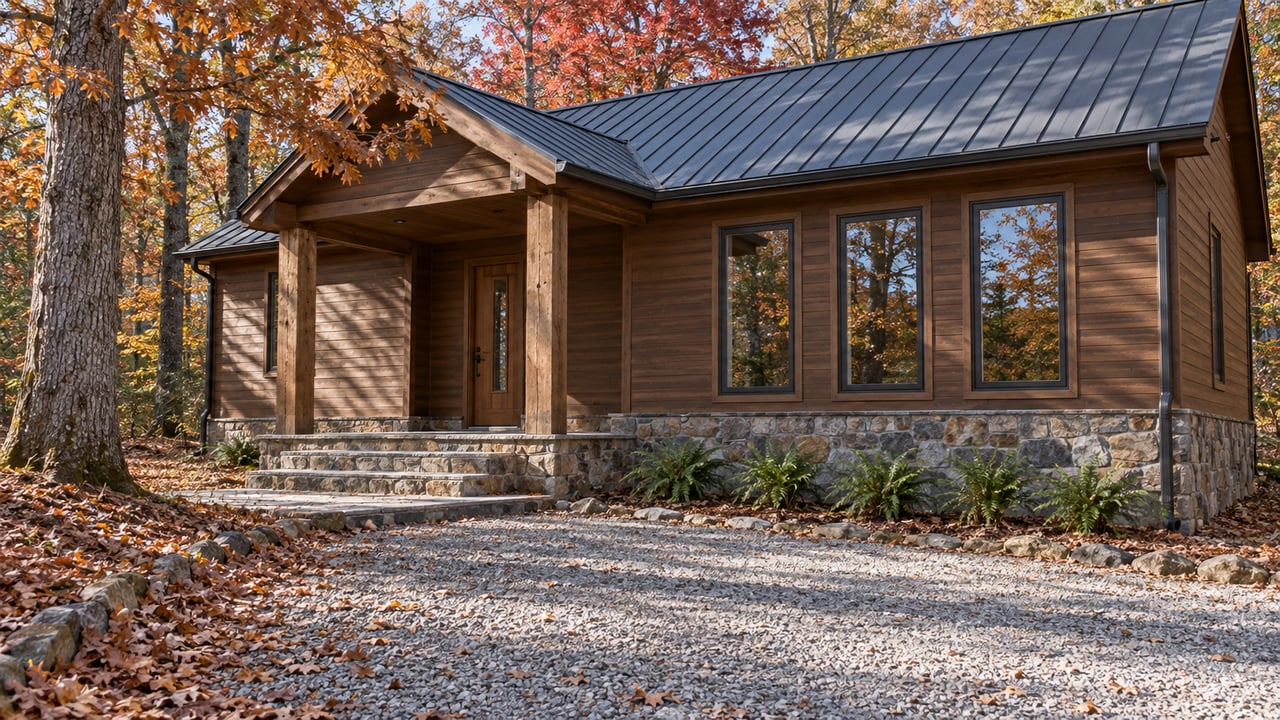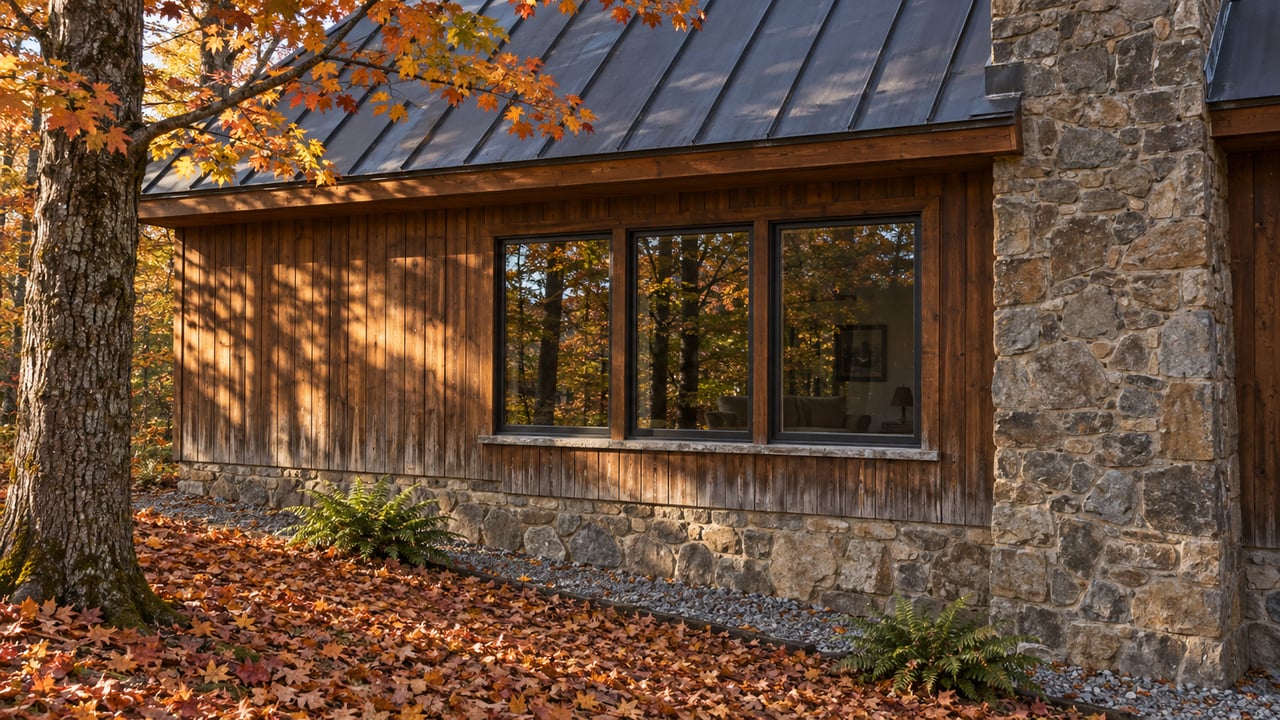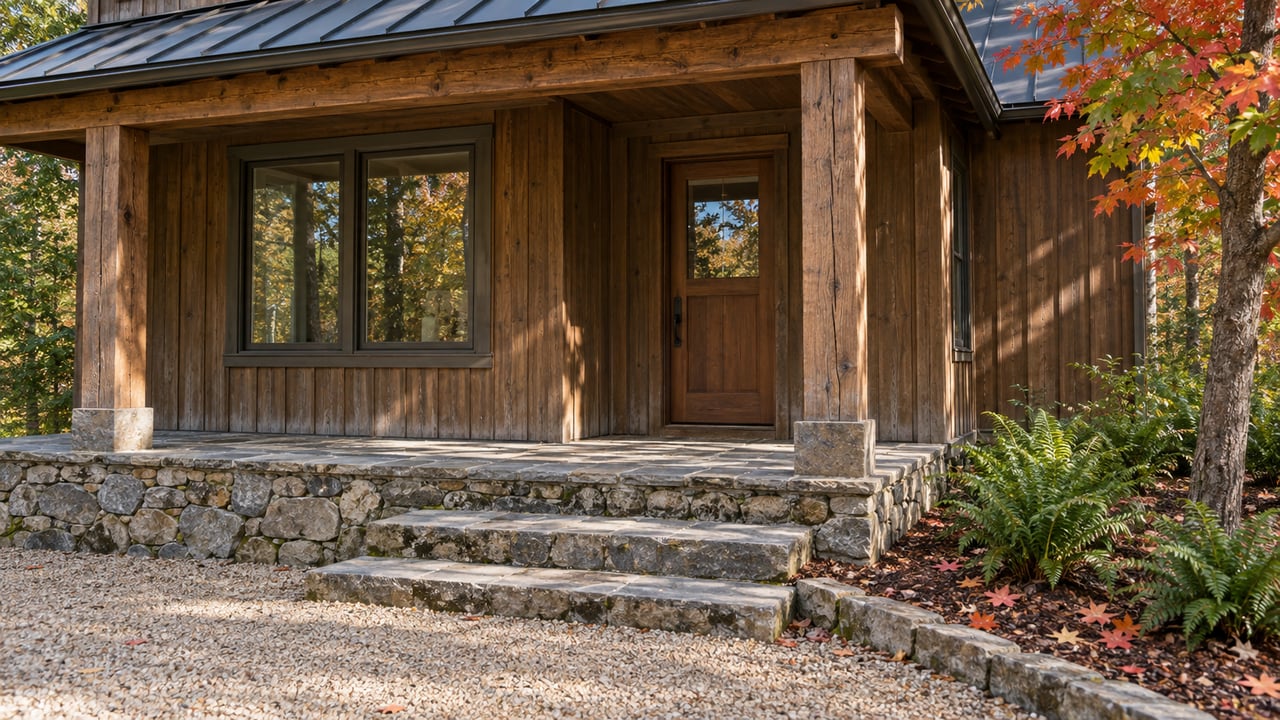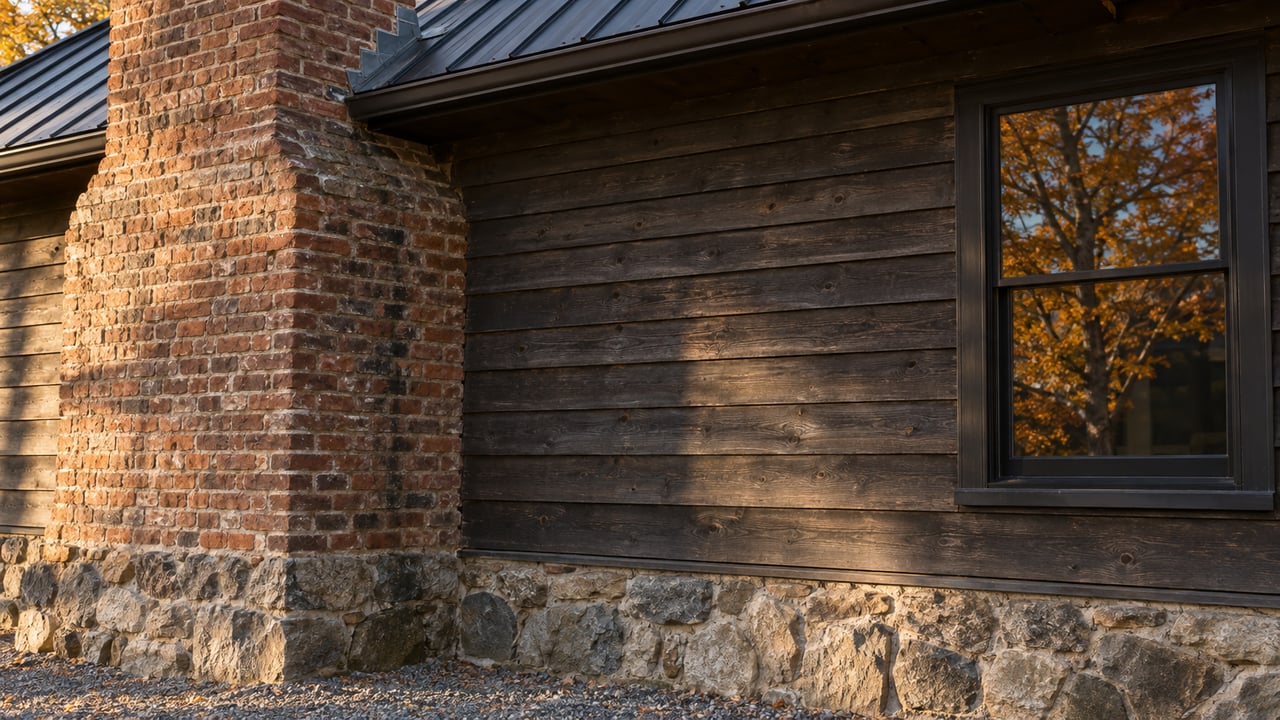
Thinking about selling your Murphy cabin but not sure where to start? You are not alone. Mountain properties have unique details that can make selling feel complex if you have never been through it. In this guide, you will learn exactly how to prep your cabin, price it right, market it to the right buyers, and navigate North Carolina’s offer and closing steps with confidence. Let’s dive in.
Know today’s Murphy market
Cabin buyers near Murphy often include second‑home seekers, retirees from nearby metros, local move‑up buyers, and investors looking for short‑term rental potential. Proximity to Hiwassee Lake and the Nantahala National Forest draws interest in water access and long‑range views.
Recent third‑party estimates show median sales commonly landing in the low‑to‑mid $300Ks in recent months. Keep in mind that values vary by source and date. Your cabin’s price will hinge on lot size, true waterfront vs. view, road access, utilities like well and septic, and any documented rental income.
Pre‑listing cabin checklist
Gather disclosures and records
- Complete North Carolina’s Residential Property and Owners’ Association Disclosure Statement (RPOADS) and the mineral, oil, and gas disclosure as required for most 1–4 unit residential sales. You may select “No Representation” where allowed, but known material facts must be disclosed.
- Pull your deed and check for recorded easements, shared drive or private road agreements, and any covenants. Start with the Cherokee County Register of Deeds.
- Collect HOA documents if applicable and any surveys, permits, or contractor invoices for major work.
Verify septic and well details
- Locate septic permits and records. Buyers often request septic verification, including permitted bedroom count.
- Test well water for potability and note flow rate. Having a recent test on file reduces surprises during due diligence.
- Cherokee County Environmental Health holds septic and well permitting records that help you confirm facts upfront.
Confirm access, utilities, and connectivity
- Document who maintains private roads, bridges, and driveways, how snow or ice is handled, and any shared costs. These items can be material facts for buyers.
- Note whether the cabin has grid power, propane service, generator backup, and typical monthly utility costs.
- Share known broadband and cellular options. Remote buyers care about reliable work‑from‑home service.
Check safety and permitting
- Confirm that additions, decks, porches, and outbuildings were permitted where required. If something is unpermitted, discuss disclosure and options before listing.
- If you use a wood stove or fireplace, schedule a chimney sweep and basic inspection.
Order a pre‑listing inspection
A pre‑listing inspection is a smart move for cabins. It helps you spot issues early, price appropriately, and decide what to fix or disclose. It also reduces last‑minute renegotiation during the buyer’s due diligence window.
Real‑world example
A seller on a private ridge accepted an offer, then the buyer discovered there was no signed road maintenance agreement. The buyer backed out. If the seller had pulled deed and road documents upfront and addressed maintenance terms in the listing, the deal likely would have stayed on track.
Price for cabins, not condos
Build a data‑driven CMA
Start with recent local sales from the last 6–12 months. Adjust for key cabin factors like waterfront vs. lake‑view, year‑round road access, septic and well capacity, condition, usable acreage, and permitted amenities like a dock or outbuildings. In low‑turnover pockets, a wider search area may be needed.
STR income matters
If your cabin has short‑term rental history, gather verifiable statements that show occupancy, average daily rates, cleaning and management costs, and seasonality. Documented performance can help the value story for investor buyers and give appraisers credible context.
Plan for appraisal risk
Conventional buyers rely on an appraisal. Pricing far above comparable sales can create appraisal gaps. Work with your listing team to build a plan that includes strong comparable evidence, clear documentation of features like views and access, and your pre‑listing inspection to support value.
Make buyers fall in love
Photos, video, and drone
Professional photography drives online engagement, especially for out‑of‑area buyers who start their search on the internet. Ask for daylight, twilight, and aerial shots to show setting, driveway and road approach, shoreline, and usable yard space. A simple floor plan or virtual tour helps remote touring.
Stage for the mountain lifestyle
Create “cozy but clean.” Declutter heavy rustic decor so rooms feel open. Highlight decks, porches, firepits, and hot tubs. Show easy‑to‑maintain finishes and organized storage for lake or ATV gear. If access or curb appeal shifts by season, include both winter and summer images.
Write copy that answers questions
Call out the details buyers and appraisers care about: lot acreage, any shoreline rights, road maintenance responsibilities, septic permitted bedroom count, the year of roof and HVAC, and rental history if marketed as an investment. Mention nearby outdoor assets for lifestyle context.
Reach local and out‑of‑area buyers
Syndicate on the MLS and major portals, then target social ads to drive‑market metros like Atlanta, Chattanooga, Knoxville, and Greenville. Consider weekend open houses and virtual tours to capture both local and remote interest. If investors are in your pool, highlight verified STR performance.
Offers and NC closing basics
Due diligence period and fee
North Carolina contracts commonly include a negotiated Due Diligence Period and a non‑refundable Due Diligence Fee paid to you at contract. During this window, the buyer controls inspections and can walk away for any reason. Fee amounts and timelines are negotiable.
Earnest money deposit
Earnest money is typically held in a trust account by the broker or closing attorney and is credited to the buyer at closing per contract terms.
Attorney‑led settlement
North Carolina is an attorney state. A licensed NC attorney handles the title examination and settlement, coordinates lender documents, collects and disburses funds, and records the deed.
Typical timeline
- Pre‑listing prep and repairs: 1–6 weeks
- Active marketing to first offer: days to weeks, market dependent
- Due diligence period: commonly 7–14 days, longer if inspections are complex or buyers are remote
- Contract to close with financing: about 30–45 days
- Cash deals: often faster, depending on title work
What it costs to sell
Deed excise tax
North Carolina charges an excise tax on property transfers of $1 per $500 of the sale price. On a $350,000 cabin, that equals $700. This tax is commonly paid by the seller at recording.
Title insurance custom
In many NC transactions it is customary for the seller to provide the owner’s title insurance policy, though this is negotiable. Your closing attorney will confirm local practice and provide exact figures.
Commission is negotiable
Total broker commissions have historically ranged around 5–6 percent in many U.S. markets, but after 2024 changes to buyer‑broker compensation, the structure and amounts are negotiated between you and your agents. Review your listing agreement carefully.
Sample net sheet on $350,000
This illustration is for planning only. Your attorney will prepare exact numbers and your listing agreement controls commissions.
- Contract price: $350,000
- Less total commission (example 5.5 percent): $19,250
- Less NC deed excise tax: $700
- Less owner’s title policy: confirm with closing attorney
- Less attorney/settlement fee: confirm with closing attorney
- Less agreed repairs or credits: if any
- Estimated net before mortgage payoff and prorations: $330,050 minus any remaining items above
Who to contact in Cherokee County
- Cherokee County Register of Deeds: Deeds, easements, covenants, and recorded road agreements.
- Cherokee County Environmental Health: Septic and well permit records and testing guidance.
- Cherokee County Tax Office: Property tax account info and rate context for buyer questions.
- Local closing attorneys: Select one familiar with Cherokee County recordings and excise tax.
- Local home inspectors and septic/well contractors: Pre‑listing inspections and verifications.
- Staging and photography vendors: Daylight, twilight, and drone packages for cabins.
- Property management companies: For sellers who need STR performance reports or transition help.
Your step‑by‑step plan
- Pull title and permit records, including any private road agreements.
- Order a pre‑listing home inspection plus septic verification and well testing.
- Gather system records for roof, HVAC, chimney, and recent service.
- Make high‑ROI fixes first: safety items, roof leaks, septic repairs, and driveway issues.
- Stage for the mountain lifestyle and schedule professional photos, twilight, and drone.
- Price with a fresh CMA and prepare an appraisal‑risk plan with your agent.
- Understand the NC due diligence fee and period so you can negotiate with clarity.
- Choose a closing attorney and confirm who pays excise tax and the owner’s title policy.
- Work with a high‑capacity local team that can coordinate vendors, remote showings, STR documentation, and closing logistics.
Ready to sell with less stress and better results? Tap a team that blends deep local roots with modern marketing. Reach out to The Randy Dockery Team for a free valuation and step‑by‑step advice tailored to your cabin.
FAQs
What makes selling a Murphy cabin different from a typical home?
- Cabins often involve private roads, wells and septic systems, chimneys or wood stoves, and seasonal access. Verifying these items early helps pricing and avoids delays.
How do I verify my septic permit and bedroom count in Cherokee County?
- Locate your permit and contact Cherokee County Environmental Health for records. The permitted bedroom count is important for marketing and lending.
Who maintains my private road and do I need an agreement?
- Many cabin areas use private roads with shared maintenance. Confirm any recorded road or driveway agreements and disclose responsibilities and costs.
What is the North Carolina due diligence fee and why does it matter to sellers?
- It is a negotiated, non‑refundable fee the buyer pays to you for an agreed inspection window. It compensates you for taking the home off market during buyer investigations.
How do appraisers value view, water access, and acreage on cabins?
- Appraisers lean on comparable sales and adjust for features like view, water access, usable acreage, and access quality. In rural pockets they may widen the search area.
Who usually pays the deed excise tax in North Carolina?
- Customarily the seller pays the excise tax at recording, calculated at $1 per $500 of the sale price, but parties can negotiate responsibilities.
Can I sell my cabin while it is operating as a short‑term rental?
- Yes. Gather verifiable rental history, expenses, and management details. Clear documentation can help attract investor buyers and support valuation.