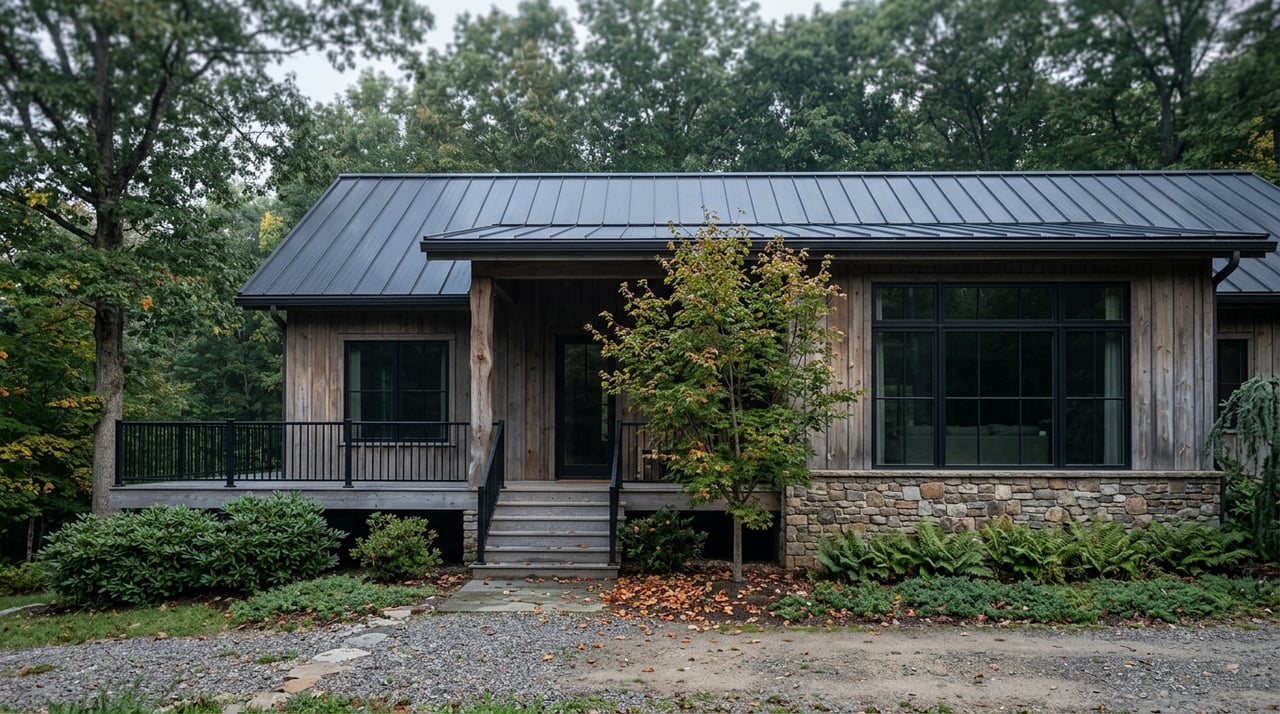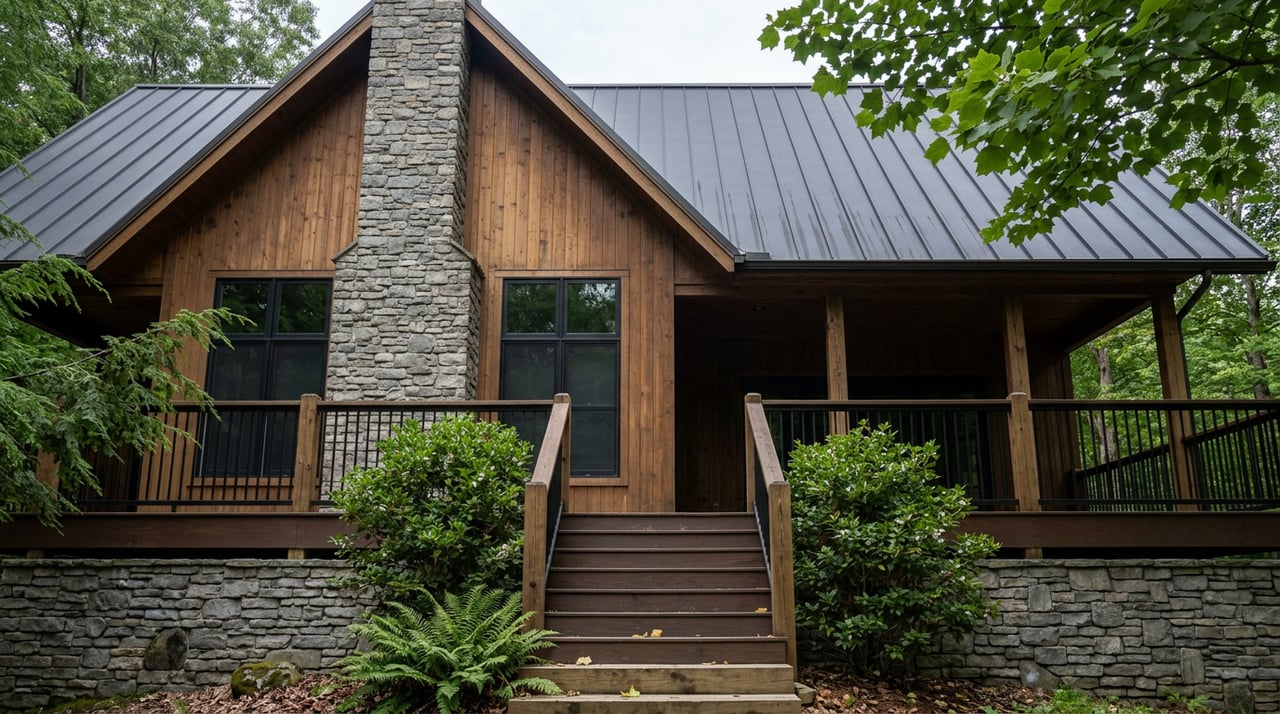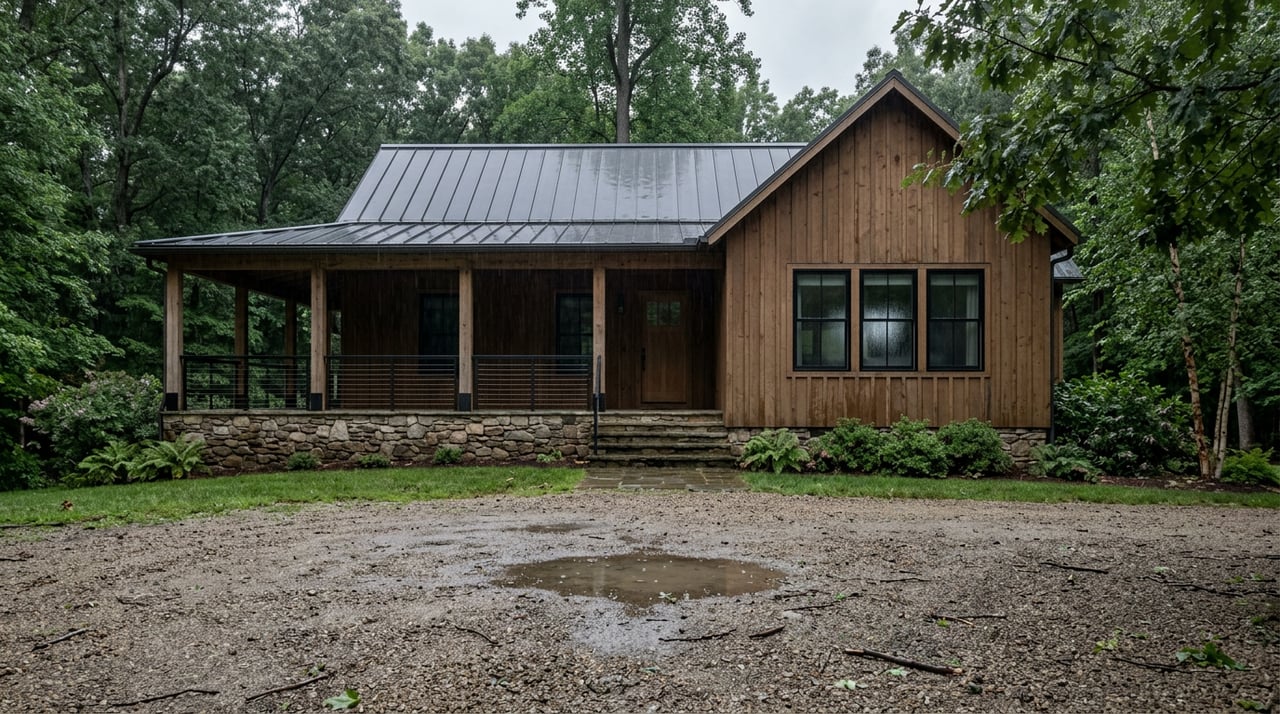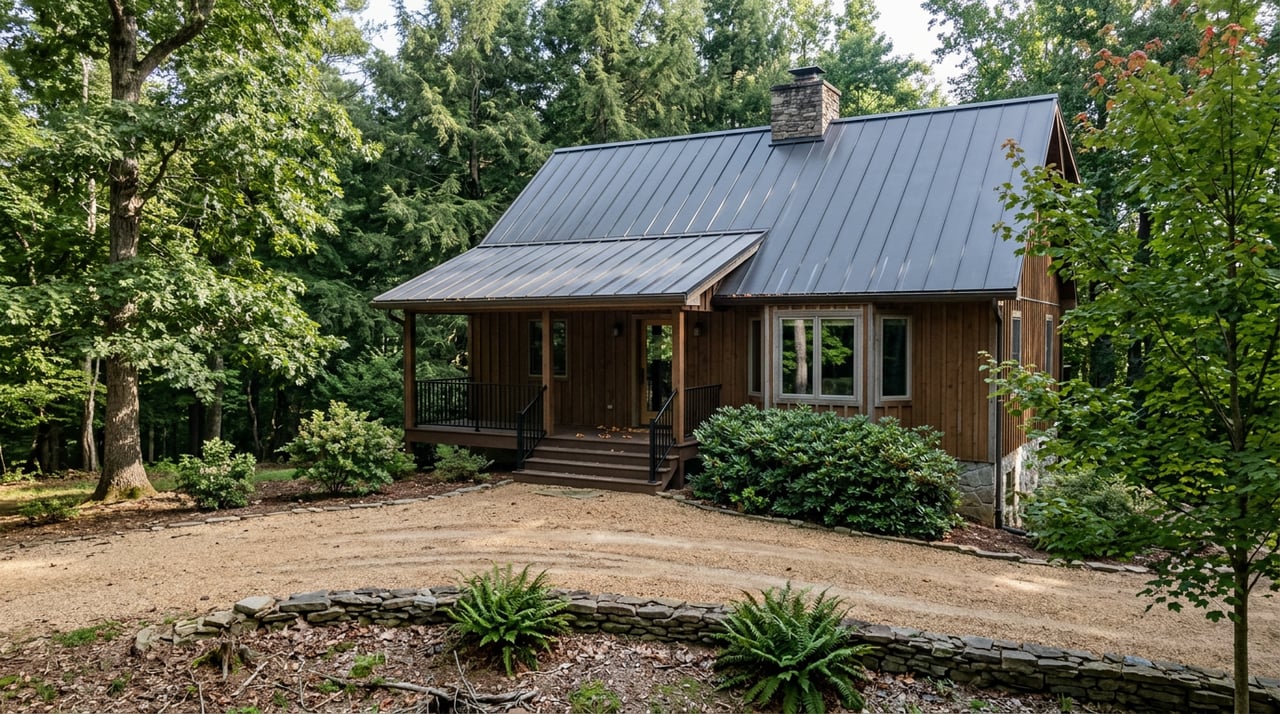
Picture two cabins ten minutes apart outside Blue Ridge. Same builder, same view of the ridgeline, same listing photos of a stone fireplace and a wraparound deck. One can legally host paying guests for a weekend. The other cannot, no matter how many five-star reviews its current owner has collected. The difference has nothing to do with the house. It comes down to a zoning line most buyers never think to ask about until after they've made an offer.
If you're shopping for a cabin near Blue Ridge with short-term rental income in mind, that line is the single most important fact in your due diligence, and it works backward from what most people assume.
The City Restricted Rentals in the Neighborhoods Guests Actually Want
In 2020, the Blue Ridge City Council voted 4-1 to bar short-term rentals from most of the city and confine them to the commercial core. Mayor Donna Whitener told a local radio reporter at the time that the city was responding to residents who noticed unfamiliar traffic patterns near their homes and wanted to know who their neighbors were. The restriction is now codified in the city's Short-Term Vacation Rental ordinance, and the operative rule sits in Section 10-193: new rental certificates are issued only on property zoned Central Business District.
That means the residential streets most people picture when they imagine a Blue Ridge getaway, the quiet lanes with mountain laurel and a creek in the backyard, are the part of the city where a new short-term rental cannot legally start up. The commercial blocks downtown, the ones with shops and restaurants, are where the ordinance says overnight rentals belong. Some regulation summaries widen that eligible zone slightly to include neighboring commercial districts, so the exact boundary is worth confirming parcel by parcel with city planning rather than trusting a listing description.
Fannin County's own planning documents counted more than 1,500 short-term rentals operating countywide as of 2022, which gives some sense of why the city felt it needed a rule at all. Most of that inventory sits outside city limits, which is where the second complication starts.
The Grandfather Clause Ends at the Closing Table
Some cabins inside Blue Ridge city limits that sit outside the Central Business District are still renting out nightly, legally, right now. Section 10-199 of the ordinance lets a rental that was already operating continue under a grandfather provision. But that protection is tied to the property's current owner, not the property itself. The ordinance lets a grandfathered rental keep operating only until there is a change in ownership.
That single clause is the transaction risk a buyer needs to internalize before writing an offer. A seller can show you a full booking calendar and a year of Airbnb income, and none of it tells you whether you will be allowed to do the same thing the day after closing. If the parcel sits outside the Central Business District, the grandfathering does not transfer with the deed. You would be buying a house that used to be a legal rental, not one that necessarily still is.
This is worth asking about before due diligence ends, not after. Request the certificate number, confirm it has been renewed continuously without a lapse, and ask the seller's agent directly whether the parcel is zoned Central Business District or grandfathered under the older use. If it's the latter, price the property as a residence, and treat any rental income as a bonus that may not survive the sale.
A Blue Ridge Address Doesn't Mean Blue Ridge Zoning
Here's the part that catches a lot of buyers off guard: a mailing address of Blue Ridge, Georgia doesn't mean the property is actually inside city limits. Most of the cabin inventory marketed under the Blue Ridge name sits in unincorporated Fannin County, which has its own short-term rental rules entirely separate from the city's zoning restriction. For a buyer, that's genuinely good news in most cases, because the county doesn't impose the same CBD-only zoning rule the city does. But it also means you can't assume anything about a listing's rental eligibility just from its address. The only way to know for certain is to confirm the parcel's jurisdiction, either through the county tax assessor's parcel lookup or by asking directly whether the property falls inside the Blue Ridge city limits or in unincorporated Fannin County.
Here's how the two jurisdictions compare on the rules that actually affect a buyer's plans:
| City of Blue Ridge | Unincorporated Fannin County | |
|---|---|---|
| Zoning restriction on new rentals | Limited to Central Business District parcels | No zoning restriction |
| Certificate transfers with sale? | No, grandfathered use ends at ownership change | Yes, with a transfer application and fee |
| Local lodging tax | 8% city hotel-motel excise tax | 6% county excise tax |
| 2025 tax-year millage rate | 12.899 combined | 9.073 combined |
Those millage figures are from tax year 2025, and Fannin County sets its rate each August, so they're useful for showing the scale of the gap between jurisdictions rather than as a locked-in number for the current tax year. The pattern holds either way: buying inside city limits generally means a higher tax bill on top of a tighter rental rule.
What Fannin County Changed Last Year
Even the more permissive county side of the line got stricter recently. In August 2025, the Fannin County Board of Commissioners adopted revisions to its short-term rental ordinance. County staff, under a motion moved by Commissioner Ashland, set a $225 application fee for the county's Accommodation Excise Tax Certificate and moved certificate expiration to December 31 every year, with a $25 penalty for anyone who misses that renewal date.
The revision also addressed what happens at a sale. A new owner or management company gets a 30-day grace period to keep operating as a short-term rental, but only if they submit the certificate application within seven days of closing, and the transfer itself carries a $50 fee. That's a tighter window than many buyers expect. If you close on a Fannin County cabin planning to list it the following week, the clock on that grace period is already running the moment the deed records.
None of this makes the county side of the market unworkable. It's more predictable than the city's zoning restriction, and it doesn't require a specific zoning designation. But it does mean the county is no longer the loose, register-whenever-you-get-around-to-it environment it once was. Both sides of the Blue Ridge market now require the same discipline: confirm the rules before you close, not after.
Before You Write the Offer
- Confirm which side of the city line the parcel sits on. City limits and Fannin County government can both verify this from the parcel number.
- If it's inside Blue Ridge city limits, ask city planning directly whether the zoning is Central Business District, and get that answer in writing rather than relying on the listing.
- Ask the seller for the certificate number and proof of continuous renewal, and ask specifically whether the rental use is grandfathered or zoned by right.
- If it's in unincorporated Fannin County, budget for the $225 certificate application and plan to file the transfer within seven days of closing to preserve the 30-day operating window.
- Compare the city's 8% lodging tax and higher millage against the county's 6% rate before you model your returns.
A Few Questions Worth Asking Early
Does a Blue Ridge mailing address mean I'm inside city limits? No. Most cabins marketed under the Blue Ridge name sit in unincorporated Fannin County. The address alone won't tell you which set of rules applies.
If I buy a cabin with an active short-term rental, does the certificate transfer to me? Inside Blue Ridge city limits, a grandfathered non-CBD rental does not transfer with a change in ownership. In unincorporated Fannin County, a new owner can transfer the certificate, but only by applying within seven days of closing and paying the transfer fee.
What does it cost to register in Fannin County right now? As of the county's August 2025 ordinance revision, the Accommodation Excise Tax Certificate carries a $225 application fee, renews each December 31, and adds a $25 penalty for late renewal.
A cabin's view and finish level matter, but they don't override a zoning map. If you're weighing a purchase near Blue Ridge with rental income in the plan, the Randy Dockery Team can help you confirm which side of the jurisdiction line a specific property falls on before you write an offer, so the numbers you're counting on are the numbers you'll actually be allowed to earn.