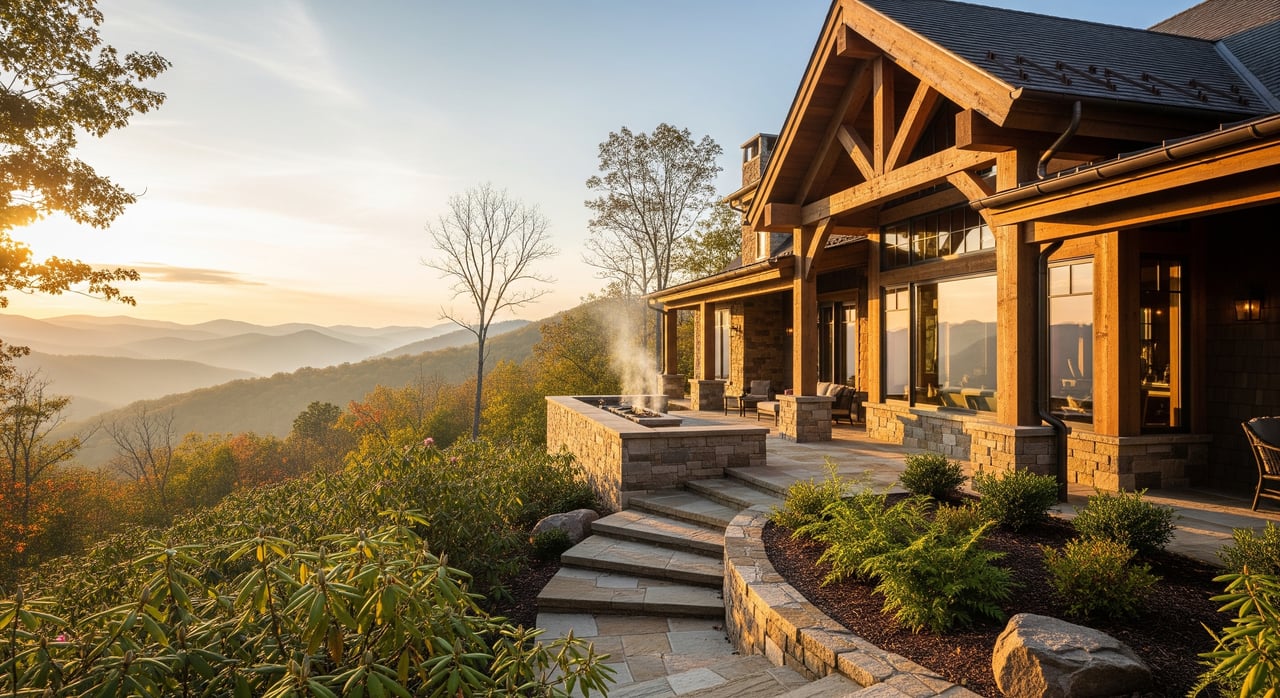
Dreaming of a quiet mountain town where you can trade traffic for trout and busy nights for clear, starry skies? If Murphy, North Carolina keeps popping up in your searches, you’re not alone. Many buyers are drawn to its small‑town rhythm, mountain setting, and access to lakes, trails, and rivers. In this guide, you’ll learn what day‑to‑day life looks like, the types of homes you’ll find, and the practical steps to buy with confidence. Let’s dive in.
Why Murphy, NC appeals
Murphy is the county seat of Cherokee County in far‑western North Carolina. It’s a true mountain service hub with a compact downtown, a courthouse square, and easy access to ridgelines, valleys, and water. The pace is quieter than urban markets, and the lifestyle skews outdoorsy and neighborly.
The local economy is anchored by county government, retail, health care, tourism, and small manufacturing and services. You’ll meet year‑round residents, retirees, and second‑home owners who love the mix of privacy and convenience. Many people work locally, run small businesses, or commute regionally, including over the state line into Georgia and Tennessee.
Climate here brings four distinct seasons. Summers are warm and humid, springs and falls are mild, and winters are cool to cold with occasional snow. Elevation and topography create microclimates, so conditions can change from one valley or ridge to the next.
Everyday life and amenities
Murphy’s downtown offers a walkable core with locally owned shops, cafes, and restaurants around the courthouse square. On a typical day, you can grab coffee, handle errands, and meet friends without leaving town. Community events, seasonal festivals, and county activities layer on a small‑town social calendar.
For practical needs, you’ll find grocery stores, pharmacies, hardware, and everyday retail. For specialized shopping or niche services, expect a longer drive to larger regional centers. That tradeoff is part of the mountain lifestyle many buyers happily accept.
Health care access matters for families and retirees. A regional hospital or medical center and local primary care practices serve the area, with urgent care and specialty services available within a regional drive. If you have specific medical needs, it’s smart to map out providers and travel times as part of your research.
Public schools are part of Cherokee County Schools. School assignments and programs vary by address, so review current district information and North Carolina Department of Public Instruction resources to understand options. Use neutral, fact-based sources and confirm details directly with the district.
Utilities in town are straightforward, while many rural properties rely on wells and septic systems. Broadband availability varies by location, and cell coverage can be spotty in valleys or wooded areas. Before you buy, confirm providers, speeds, and coverage for the exact address.
Outdoor recreation highlights
If you’re here for fresh air and water, you’ll have plenty to enjoy. The Hiwassee River and Hiwassee Lake offer fishing, paddling, and boating. Trout fishing is a draw for anglers, and calm coves invite relaxed days on the water.
Public lands nearby open the door to hiking, camping, hunting, and scenic drives. Parts of the Nantahala National Forest are within reach for day hikes and weekend exploring. Local trailheads and overlooks provide quick options when you want to catch a sunset or stretch your legs.
Fall colors make autumn a favorite season for residents and visitors. Winter brings occasional snow and ice, which can affect mountain roads. Outfitters, fishing guides, and rental shops round out the tourism economy if you want expert help getting started.
Housing you’ll see in Murphy
Murphy’s housing stock reflects its history and terrain. You’ll find:
- Historic homes and small‑lot properties near downtown.
- Mid‑century ranches and bungalows in established neighborhoods.
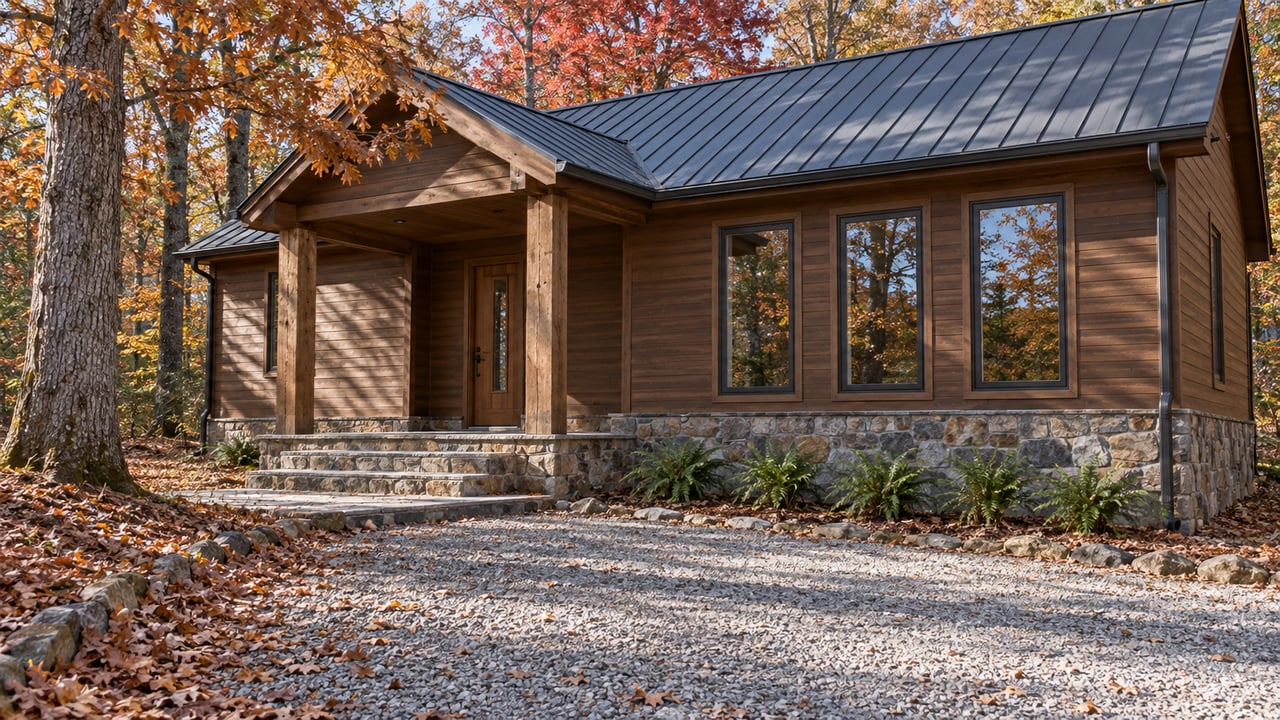
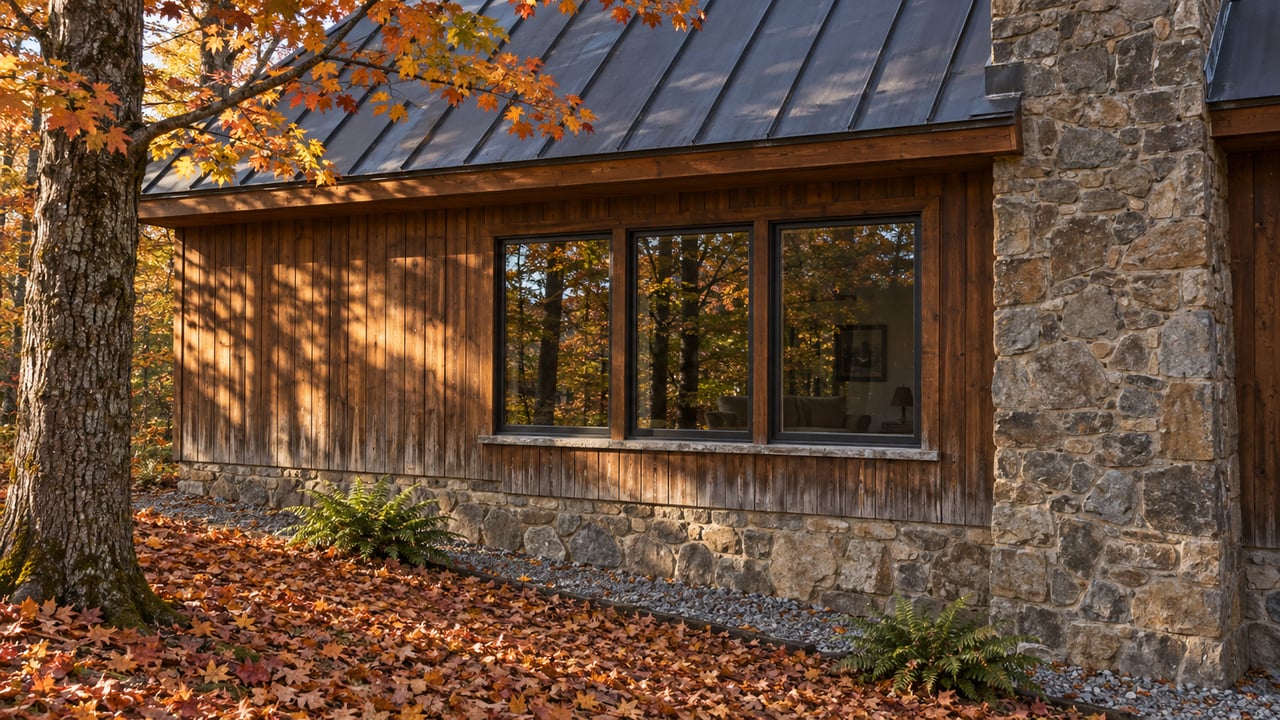
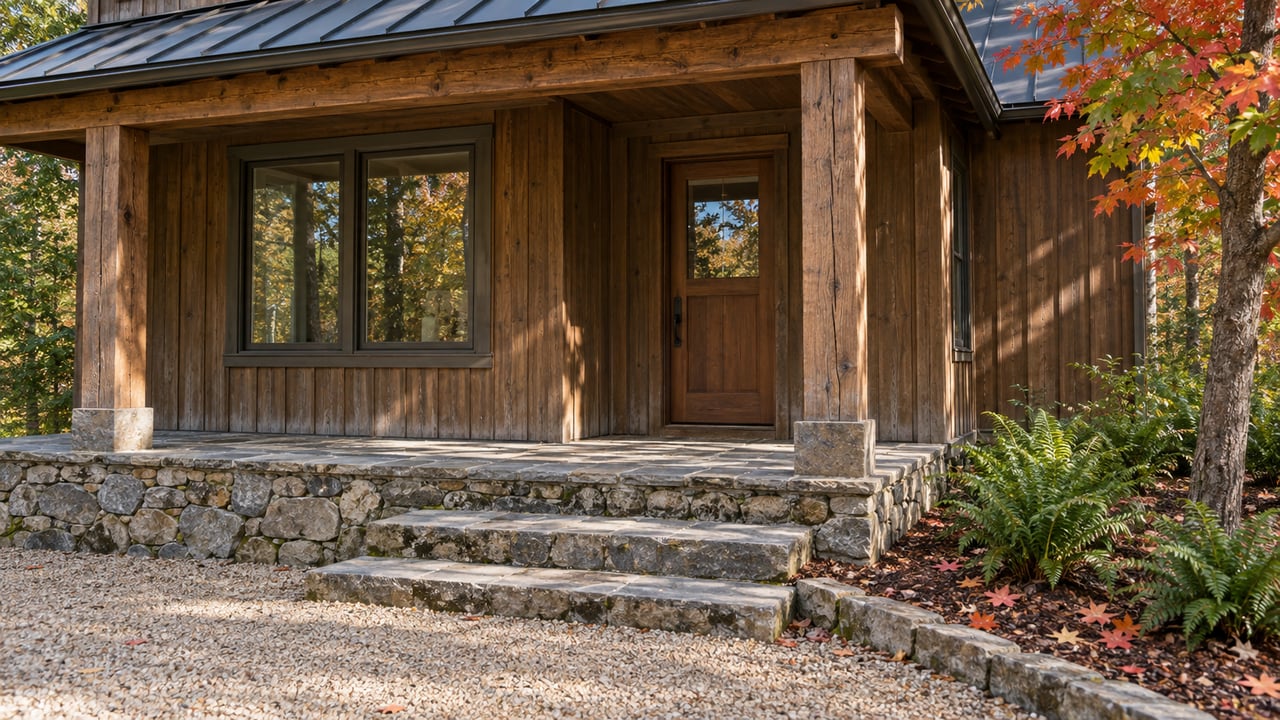
- Mountain cabins and log homes on wooded acreage with long‑range or forest views.
- Vacant land and forested parcels for custom builds.
There is a healthy mix of year‑round homes and second‑home properties. Vacation rentals exist, but activity is generally more modest than major resort markets. If short‑term rental potential matters to you, confirm local rules and neighborhood covenants before you make an offer.
Market realities to consider
Many buyers are drawn by relative affordability compared with some urban and resort markets, though exact price trends change from season to season. Inventory can be tight for move‑in‑ready homes that reflect modern tastes, while more rustic cabins or fixer properties are often available. The right fit depends on your goals, budget, and appetite for updates.
Property taxes vary by parcel, and insurance needs can differ for mountain homes. Some properties may require additional coverage based on features or location. Low‑lying or riverfront lots can fall within mapped flood zones, which may trigger flood insurance requirements. Check FEMA flood maps, and review parcel details and assessments with the county before you buy.
If you are exploring subdivisions or planned communities, ask for covenants, conditions, and restrictions. Rules on fencing, outbuildings, or rentals can shape how you use the property.
Building on a mountain lot
Rural parcels come with specific due diligence. Here are the core items to tackle early:
- Septic suitability. Most rural builds need septic systems. The county health department issues permits, and site percolation, slope, and soils are key constraints.
- Water and utilities. Many properties use well water. Extending electric service to a remote site can be costly, and some owners rely on propane, wood heat, and backup generators.
- Access and maintenance. Steep or gravel driveways, private road maintenance agreements, and winter snow or ice can affect year‑round access. Clarify who maintains the road and how.
- Setbacks and buffers. Cherokee County manages building permits and zoning. Riparian buffers may apply near creeks and streams, so map these on your survey.
If you are buying land, prioritize site tests, a current survey, and conversations with local contractors about realistic build costs and timelines.
Getting here and getting around
Murphy is remote compared with major metro areas, which is part of its charm. Primary state highways converge in town, and you can reach larger cities and airports within multi‑hour drives. Travel times vary by season and traffic, especially on scenic mountain corridors.
Winter weather can bring icy patches or temporary closures. If you plan to commute regularly or visit on weekends, keep an eye on road conditions and plan alternate routes when needed. The slower pace and scenic drives are a fair trade for many buyers.
What a day feels like
Picture a Saturday that starts with coffee on the courthouse square, followed by errands at the grocer and pharmacy. After lunch, you head to the Hiwassee for a few peaceful hours on the water or choose a short trail for views. You wrap up with a local dinner and a community event. That rhythm is what keeps people coming back.
Your step‑by‑step buying plan
Use this simple plan to move from daydream to keys in hand:
- Visit in more than one season.
- See summer greenery, fall color, and a winter morning. Pay attention to road conditions and travel times.
- Define your non‑negotiables.
- Think through privacy, acreage, internet needs, and drive time expectations.
- Do targeted due diligence for rural properties.
- Order perc tests, confirm well options, and pull a recent survey with easements and covenants.
- Verify logistics early.
- Call utility providers for coverage and estimated costs to extend service. Ask your insurer for quotes on the property type you want.
- Build your local team.
- Talk with area contractors about build or renovation timelines. Meet a lender who understands land and mountain home financing.
- Work with a local agent who knows the back roads.
- The right guide can surface off‑market opportunities, flag steep drive or floodplain issues, and negotiate with local context.
How we help you buy with confidence
Buying in a mountain town is different, and local experience matters. The Randy Dockery Team pairs multigenerational Cherokee County knowledge with a modern, responsive process. You get clear guidance on cabins, lakefront, acreage, and in‑town homes, plus practical help coordinating showings, inspections, surveys, and conversations with the county and service providers.
If you are relocating, purchasing a second home, or planning a custom build, our team can help you compare parcels, understand site constraints, and set a realistic timeline. We keep your goals front and center and communicate clearly every step of the way.
Ready to explore Murphy with a trusted local guide? Reach out to the The Randy Dockery Team to start your search with confidence.
FAQs
How far is Murphy, NC from major cities for weekend trips?
- Murphy is a multi‑hour drive from larger metro areas and airports, with travel times that vary by season and traffic on mountain highways.
What should I know about utilities on rural Murphy properties?
- Many homes rely on well water and septic systems, and extending electric service to remote sites can be costly, so verify availability and estimates for your exact parcel.
How reliable is internet and cell service in Cherokee County’s rural areas?
- Coverage and speeds vary by location due to terrain, so confirm provider options, service maps, and speed tests at the specific address before you buy.
Are there flood risks near rivers or lakes in the Murphy area?
- Low‑lying and riverfront lots can be in mapped flood zones, so review FEMA flood maps and discuss insurance requirements with your agent and insurer.
What types of homes are most common around Murphy?
- You’ll see historic in‑town homes, mid‑century ranches, mountain cabins and log homes on acreage, and forested parcels for custom builds.
What is the best season to shop for a Murphy cabin or land?
- Each season offers insight, but fall and winter help you see views and access conditions, while spring and summer reveal foliage, shade, and drainage patterns.