Around 7:15 in the evening, a small cluster of people starts gathering in the grass behind 658 Valley River Avenue. Some bring folding chairs. A few have binoculars. Nobody is looking at their phones. They are all looking up, waiting for a smudge on the sky that turns, in about ninety seconds, into a tornado of birds pouring into a chimney.
This is downtown Murphy's least advertised recurring event, and this September it happened at least four separate times on the town's own calendar, organized in partnership with Mainspring Conservation Trust, the regional land trust that keeps an eye on this kind of thing across the far western counties. If you missed the watch parties earlier this month, you have not necessarily missed the show. Chimney swifts typically stay in this part of the mountains until they push on toward South America in mid-October, which means the birds are still funneling into that chimney most evenings, watch party or not. The organized nights just come with someone who can tell you what you're looking at.
What's Actually Falling Into That Chimney
Chimney swifts look like a cigar with wings, and they behave like nothing else in the sky. They cannot perch. Their feet are built for clinging to rough vertical surfaces, not for gripping a branch, so once they land for the night they are stuck wherever they landed until morning. For most of their evolutionary history that meant hollow old-growth trees. Once those forests came down, the birds switched almost entirely to chimneys, and they made the switch so completely that by the time European naturalists started writing about American birds in the late 1600s, swifts were already living in human structures.
By late summer, the birds that spent the season raising young in ones and twos start gathering into larger flocks, and those flocks need bigger accommodations than a single household chimney. That's when a structure like the one behind Valley River Avenue matters. Large masonry chimneys can hold roosts that grow into the thousands as birds funnel down from farther north, all packing into the same vertical shaft to conserve body heat overnight before splitting up again at dawn to feed on flying insects. A single swift eats about a third of its body weight in insects like mosquitoes and termites every day, which is a detail worth remembering the next time you're on a porch in Cherokee County at dusk without much of a bug problem.
Why This Particular Chimney, and Why There Are Fewer of Them
Here's the part that changes how you look at the spectacle. This isn't just a bird doing a bird thing wherever it happens to land. Large industrial-style chimneys big enough to host a roost of this size are becoming genuinely scarce, and towns lose them all the time without anyone noticing until the birds don't show up.
Chapel Hill's Franklin Street hosted a well-documented swift roost for years, until one evening the birds simply didn't arrive. A volunteer doing her usual survey watched a few circle the old chimney and then peel off toward the UNC campus, where thousands of them funneled into the hollow of the Davie Poplar tree instead, the only known tree roost left in North Carolina. In Radford, Virginia, a school renovation took out a chimney the swifts had used for decades, and it took a $15,000 fundraising effort and an architect's help to build an 18-foot replacement tower before the birds' historical homecoming date the following spring.
That's the pattern behind most swift stories right now. Old buildings get renovated, chimneys get capped with smooth metal liners or torn out entirely, and a roost that took generations to establish disappears in an afternoon. Nationwide, swift numbers have dropped by more than half since the 1960s, and a shrinking supply of the right kind of chimney is a documented part of why.
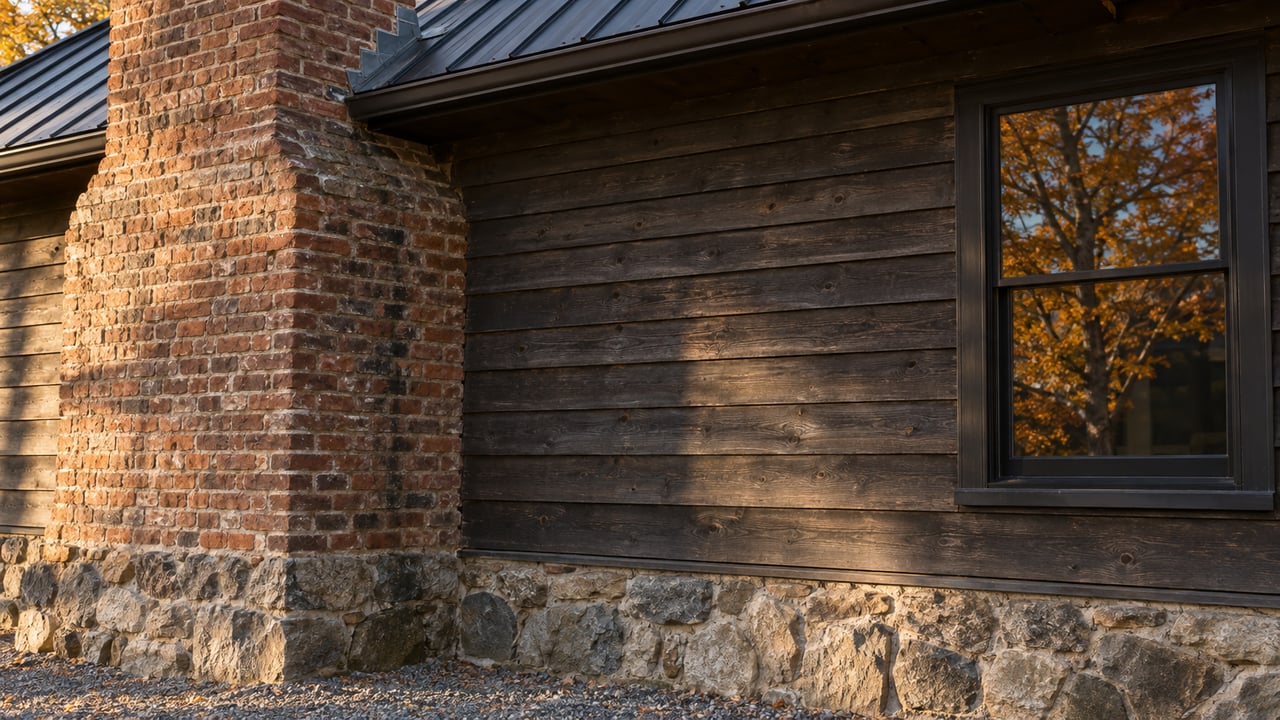
Which means the chimney behind Valley River Avenue is not incidental scenery. It's one of a dwindling number of structures anywhere in the region still doing this job, and it happens to be doing it in the middle of a town that has spent real effort keeping its older downtown buildings standing rather than replacing them. Murphy's Main Street program talks a lot about preserving storefronts and reusing old buildings for new businesses. Most of that conversation is about economics and foot traffic. The swifts are a reminder that the same brick and mortar is also, quietly, wildlife infrastructure. Keep the building, keep the chimney, keep the roost. Lose one and you lose all three.
The Downtown Rhythm Around It
Part of what makes the watch parties work as an evening out, and not just a nature outing, is that they land in the middle of a stretch of downtown that's already busy this time of year. If you're heading over to catch the birds, there's a reasonable chance you can build a full evening or weekend around it:
- Murphy Farmers Market, Saturdays 9am to 1pm at the L&N Depot downtown, running through the last Saturday in October, with handmade and home-grown goods from local vendors and pets welcome.
- Paint the Town Fall, Saturday, September 26, check-in at the Downtown Stage on the corner of Peachtree Street and Valley River Avenue, where you register at Olive's Porch and paint a fall scene on an assigned section of a storefront window, free of charge.
- Murphy Art Walk, first Friday of the month through December, 5 to 8pm, with the Boondock Saints Band playing downtown on October 2.
- Second Saturday: Shop & Sip, October 10, 2 to 5pm, downtown retailers offering refreshments and sales.
- Murphy Music & Brews, October 10, 3 to 8pm at the Hackney Warehouse, a benefit for Shepherd's Men.
- Buck Bald Brewing, downtown's newest brewery on Tennessee Street, with a pet-friendly patio if you want to close out the evening with something cold after watching a chimney swallow a few thousand birds.
None of this requires planning around a single night. The swifts are a nightly habit through most of the migration window, and the town calendar tends to add more organized watch dates as the season goes on, so it's worth checking the Main Street Murphy calendar before you head down if you want company and someone narrating what you're seeing.
What Happens When the Chimney Goes Quiet
By mid-October, the show ends on its own. The swifts finish their staging in the mountains and continue on toward the Amazon basin, where they winter, and the chimney behind Valley River Avenue goes back to being just a chimney until next fall, when a new wave of birds returns to the same structure their parents and grandparents used.
That return is not guaranteed forever. It depends on the chimney still being there, uncapped, unrenovated, standing the way it's standing right now. Most of the swift roosts lost around the country weren't lost on purpose. A building got a new roof, a chimney got relined, and nobody thought to check whether birds were using it first. Downtown Murphy's version of this story is still being written, and for now it's a good one: a town that kept its old buildings standing got to keep this too, almost by accident.
If you live here, this is the kind of thing worth walking down for while it's still happening, whether or not there's an official watch party on the calendar that night. Bring a chair, get there a little before sunset, and look toward the chimney behind 658 Valley River Avenue. You'll know it's starting when the smudge in the sky stops looking random and starts looking like it's being pulled downward on purpose.
For more on what's happening around Murphy and Cherokee County this season, or if you ever have questions about property in the area, the Randy Dockery Team is always happy to talk local. Get a Free Home Valuation & Local Market Advice whenever the conversation turns that direction.