Scrolling Blue Ridge listings and wondering whether a “cabin” or a “chalet” is right for you? You are not alone. In Fannin County, the words signal style, construction, upkeep, and even financing realities. This guide breaks down what each term means, how local terrain and utilities affect ownership, and the inspections and checks you should complete before you buy. Let’s dive in.
What “cabin” means here
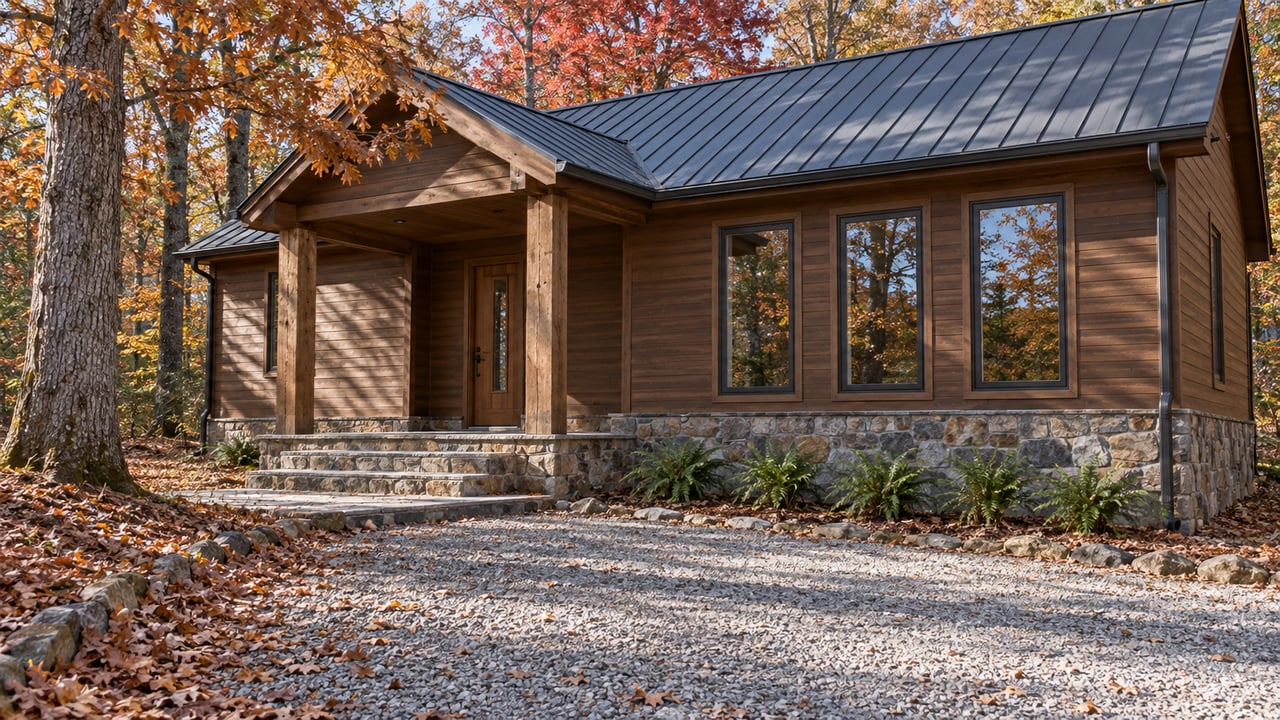
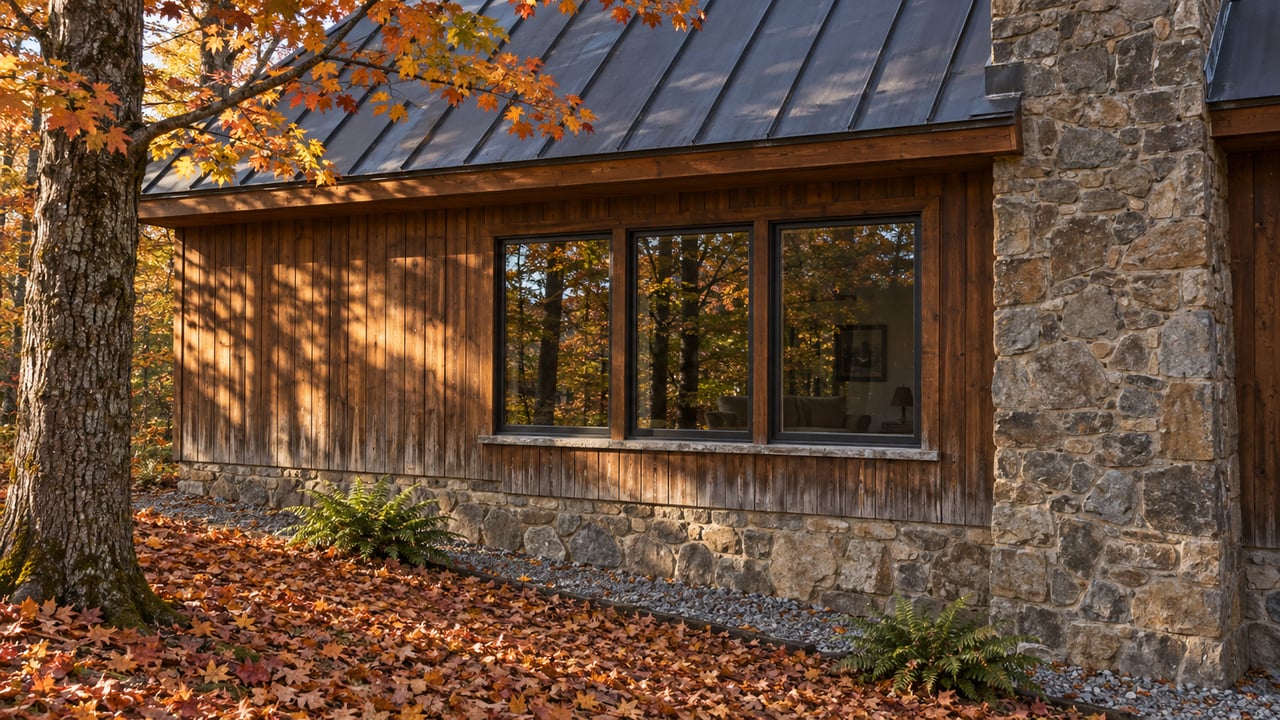
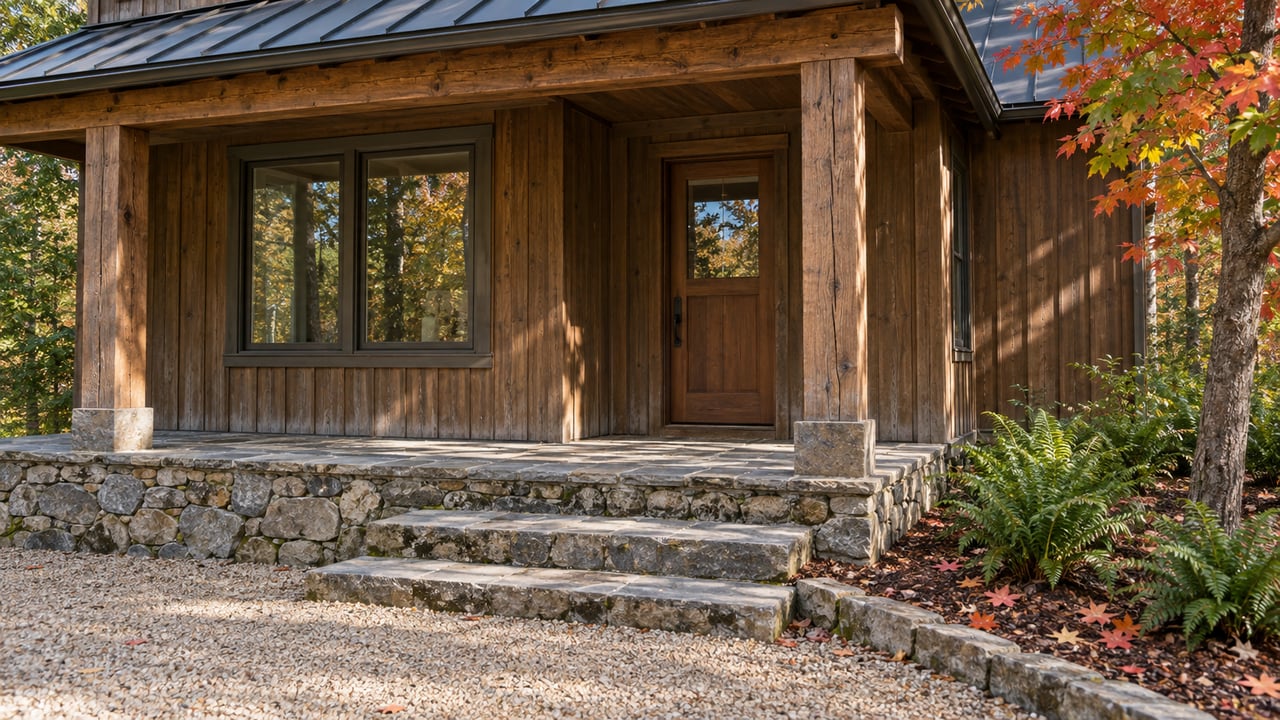
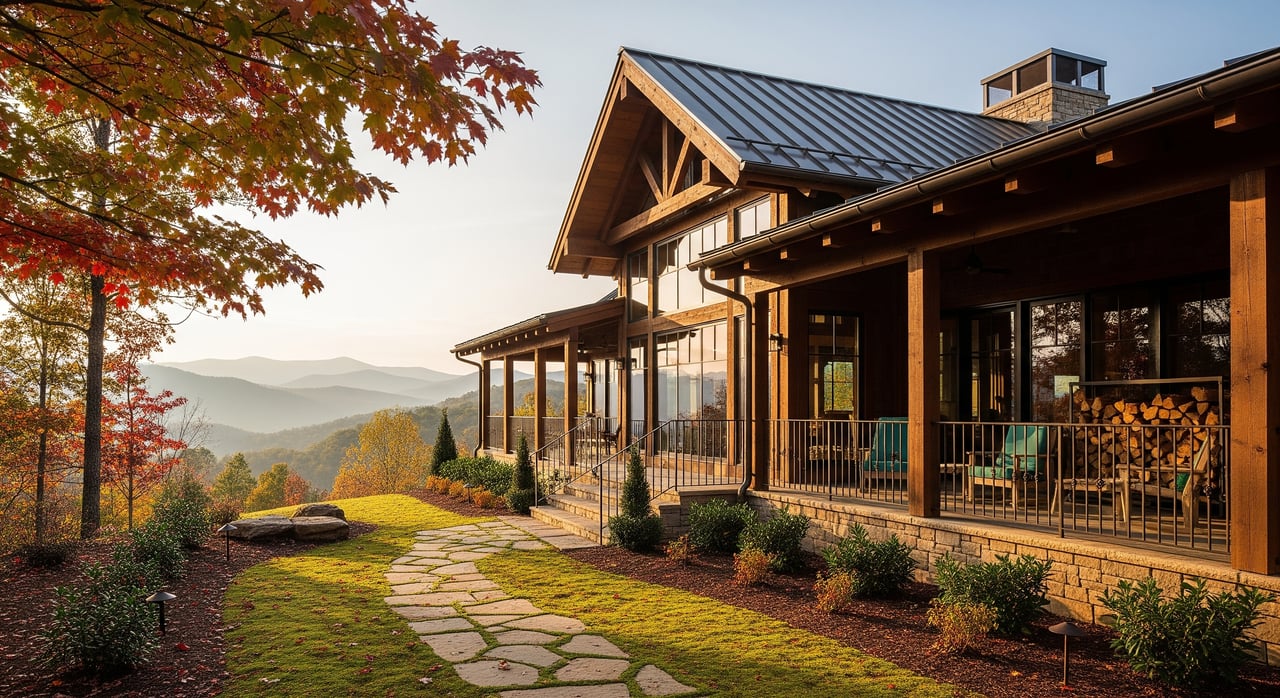
In the Blue Ridge market, a cabin is a small-to-medium rustic or rustic-styled home with a classic mountain look. You often see exposed wood, a large stone fireplace or woodstove, and covered or wrap-around porches aimed at the view. Floor plans tend to be open, with great rooms and lofts instead of many formal rooms.
Cabins can be solid-log, timber-frame, or conventional stick-built with rustic finishes like log siding. A “log cabin” implies that round or milled logs form the structural walls. That look comes with unique upkeep, including periodic staining or sealing and attention to chinking and caulking.
What “chalet” signals
A chalet points to a style inspired by Alpine design. Expect steep rooflines, wide eaves, large triangular or wall-to-wall windows facing the view, and vaulted interiors with exposed rafters or beams. You get dramatic interior volume and big view glass.
Most chalets here use conventional framing with chalet aesthetics. The higher glass area can affect heating and cooling and may make window quality and roof maintenance more important. HVAC sizing and glazing type become key questions during due diligence.
Cottage basics
A cottage tends to be smaller and cozier, with a traditional residential feel. Think modest footprint, simple gables, a front porch, and more finished interiors with standard cabinets and trim. The focus is on comfort rather than heavy timber features.
Most cottages use conventional stick-built construction with standard systems. That can make financing and insurance simpler than for log or highly unique builds. Cottages are often marketed as lower-maintenance or year-round homes.
Blue Ridge factors that matter
Local terrain and services shape everyday ownership. Steep slopes are common, which means specialized foundations, retaining walls, and careful drainage. Driveways may be long, steep, or switchbacked, and they can wash out in heavy rain.
Many properties outside Blue Ridge city limits rely on private wells and septic systems. Internet and cell coverage vary in mountainous areas, so verify providers and speeds if you plan to work remotely. Private roads and driveways are common, so confirm who maintains them and how seasonal grading or snow response is handled.
If a property lies inside Blue Ridge city limits or near water, confirm utility sources, riparian or flood considerations, and any zoning or rental rules. Check with Fannin County Planning and Development, the City of Blue Ridge, and the Tax Assessor for permits, utilities, taxes, and short-term rental requirements. Verify floodplain status using FEMA’s mapping resources and review Georgia environmental rules for septic and watershed where applicable.
Upkeep and inspections by style
Every mountain home deserves a full inspection, but some items matter even more here.
Core inspection priorities
- Structural: foundation type, settlement signs, and retaining wall condition on slopes.
- Roof and flashing: age, condition, and debris-catching valleys.
- Drainage: grading, gutters, downspouts, and driveway culverts.
- Moisture: crawlspaces, basements, ventilation in high-ceiling areas.
- Systems: HVAC age and fuel type, water heater, electrical capacity and wiring.
- Septic and well: pump tests, water quality, and septic inspection and scoping.
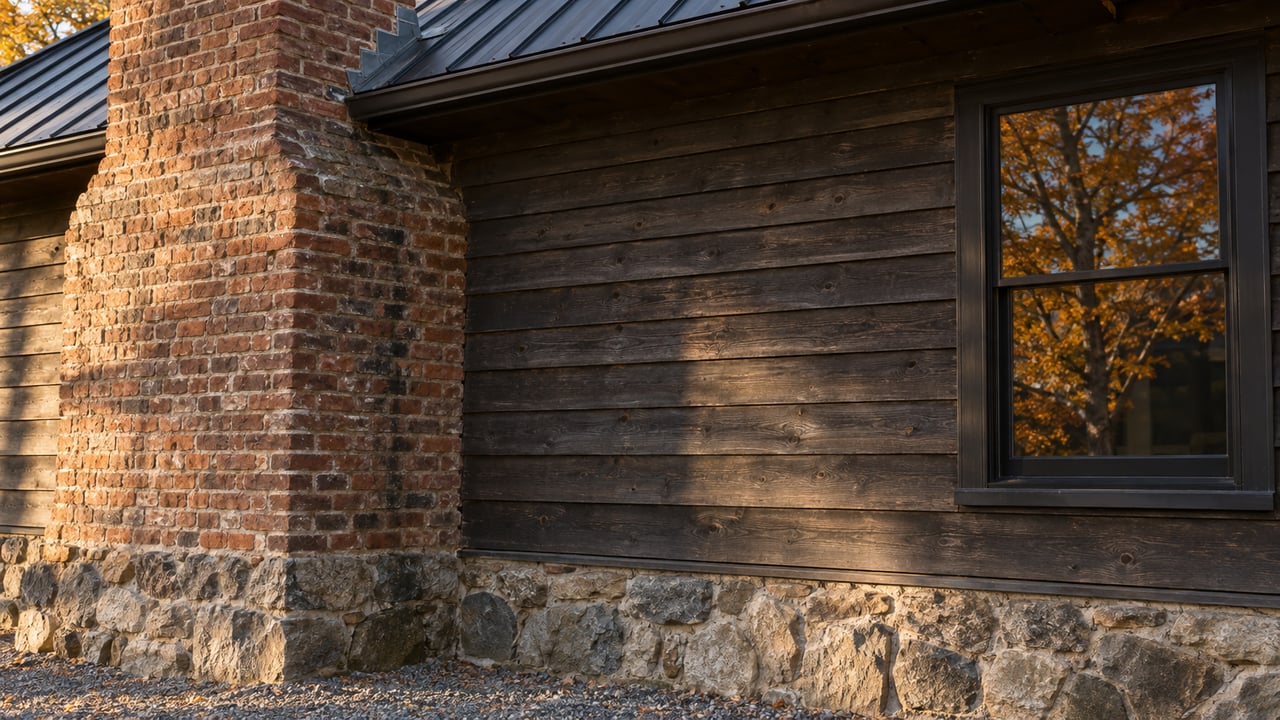
- Chimney and wood-burning appliances: creosote buildup and flue integrity.
- Pest and wood decay: termites, carpenter bees, and wood rot in log or timber structures.
- Access: driveway condition, turnarounds, easements, and maintenance agreements.
Typical maintenance cadence
- Log and timber: stain or seal about every 3 to 7 years, and check chinking and caulking.
- Decks and exposed wood: inspect annually, stain or seal every 1 to 3 years.
- Roofs: inspect yearly and after major storms, clear debris and check flashing.
- Chimneys and woodstoves: clean and inspect yearly if used.
- Septic: pump every 3 to 5 years depending on use, more often for heavy short-term rentals.
- Wells: test water quality at closing, then annually.
- Driveways and erosion: regrade or add drainage after heavy rain seasons; add gravel as needed.
- HVAC: annual tune-ups, with attention to load in high-glass chalets.
Cost differences to expect
- Cabins and log homes can require more specialized maintenance and contractors for preservation work.
- Chalets with large glass walls may have higher energy use and more expensive window replacements.
- Cottages with conventional construction often have simpler upkeep and easier financing and insurability.
- Insurance can be higher for log homes, properties with woodstoves, or remote locations with longer fire response times.
Seasonal prep checklist
- Winter: protect exposed pipes, confirm primary and backup heat sources, and inspect roof and eaves.
- Summer: control moisture with ventilation and dehumidification, and check lofts for heat buildup.
- Storms: secure outdoor items and trim trees near the home to reduce wind or hail risks.
Financing, insurance, and resale
Conventional stick-built homes usually finance more easily than solid-log or highly unique structures. Unusual floor plans or high-glass designs can complicate appraisals, especially when comparable sales are scarce in rural areas. Local lenders familiar with mountain properties add real value.
Insurance premiums can rise with log construction, woodstoves, or remote locations. If a property is inside a FEMA floodplain, flood coverage is typically required. Even when not required, creek or river frontage may warrant a policy for peace of mind.
Demand in the Blue Ridge area is driven by views, lake or river access, proximity to downtown amenities, and outdoor recreation. Short-term rentals are common, but verify county and city rules and any HOA restrictions before you buy. Cabins and chalets often appeal to vacation and rental audiences, while cottages tend to suit full-time living and simpler upkeep.
How to decode listing language
- “Rustic cabin” usually means visible wood and simpler finishes. Ask about insulation, HVAC, and recent upgrades.
- “Turnkey” suggests move-in ready, but still schedule full inspections including well and septic.
- “Log home” means log walls. Verify maintenance history, treatments for insects, and sealant schedules.
- “Chalet” or “A-frame” signals steep roofs and large windows. Ask about glazing type, HVAC capacity, and roof condition.
- “Off-grid” requires careful review of power, water, waste, and permitted access. Confirm code compliance.
- “Lake access” versus “lakefront” matters. Confirm deeded access, shared easements, and any dock or riparian rules.
Your due-diligence checklist
- Standard inspections: general home, roof, pest, HVAC, chimney or woodstove.
- Specialty inspections: septic scoping and performance test, well flow and water quality, log-home specialist if applicable, structural engineer for steep slopes or settlement, and driveway or bridge evaluations for remote access.
- Title and access: confirm deeded access, road maintenance agreements, utility easements, and any HOA rules.
- Flood and watershed: review FEMA maps and local stream buffer rules if near water.
- Utilities and connectivity: confirm electrical capacity, internet and cell options, and propane logistics if used.
- Insurance quotes: get early quotes for homeowners, hazard, and flood coverage when applicable.
- Zoning and rentals: verify short-term rental rules, permits, and occupancy taxes with county or city.
- Maintenance records: request staining schedules, roof replacements, septic pumping, and well service receipts.
- Seasonal access: when possible, test access in different seasons or confirm snow and ice plans for winter.
Negotiation and contract tips
- Add contingencies for septic, well, and log-home inspections when relevant.
- Consider an appraisal contingency that recognizes unique construction or limited comps.
- Allow extra time for inspections and repairs if specialty contractors are needed.
- Clarify road maintenance responsibilities in writing and keep copies of agreements.
Choosing what fits your life
Pick the property that matches your lifestyle, budget, and appetite for upkeep. If you want a rustic retreat and love heavy wood finishes, a cabin or true log home can be perfect. If views and dramatic architecture lead your list, a chalet may be worth the energy tradeoffs. If you want simpler maintenance and easier financing, a cottage could be a smart fit.
Wherever you land, verify utilities, access, and rental rules early. Budget for mountain-specific upkeep like staining, chimney service, septic pumping, and driveway work. When you are ready to explore Blue Ridge and nearby North Georgia options, reach out to the team that lives and works in these mountains every day. Connect with The Randy Dockery Team for local guidance rooted in decades of experience.
FAQs
What is the main difference between a cabin and a chalet in Blue Ridge?
- Cabins emphasize rustic wood features and porches, while chalets feature steep roofs and large view windows with vaulted interiors that can impact energy use and window maintenance.
Are log cabins hard to insure in Fannin County?
- Insurance can be higher for log construction, woodstoves, and remote locations, so obtain quotes early to confirm premiums and coverage requirements.
What inspections are most important for mountain homes near Blue Ridge?
- Focus on structure, roof and flashing, drainage, moisture, HVAC and electrical, well and septic, chimney safety, pests, and access conditions like driveways and easements.
Can I use a Blue Ridge cabin as a short-term rental?
- Many properties operate as short-term rentals, but you must verify current county or city rental rules and any HOA restrictions before you buy.
Will a chalet’s big windows raise my power bill?
- Larger glazing can increase heating and cooling demand; ask about window type and HVAC sizing, and factor potential replacement costs into your budget.
Do most Blue Ridge homes have wells and septic?
- Many properties outside city limits rely on private wells and septic systems, so plan for water testing, septic inspections, and regular maintenance.