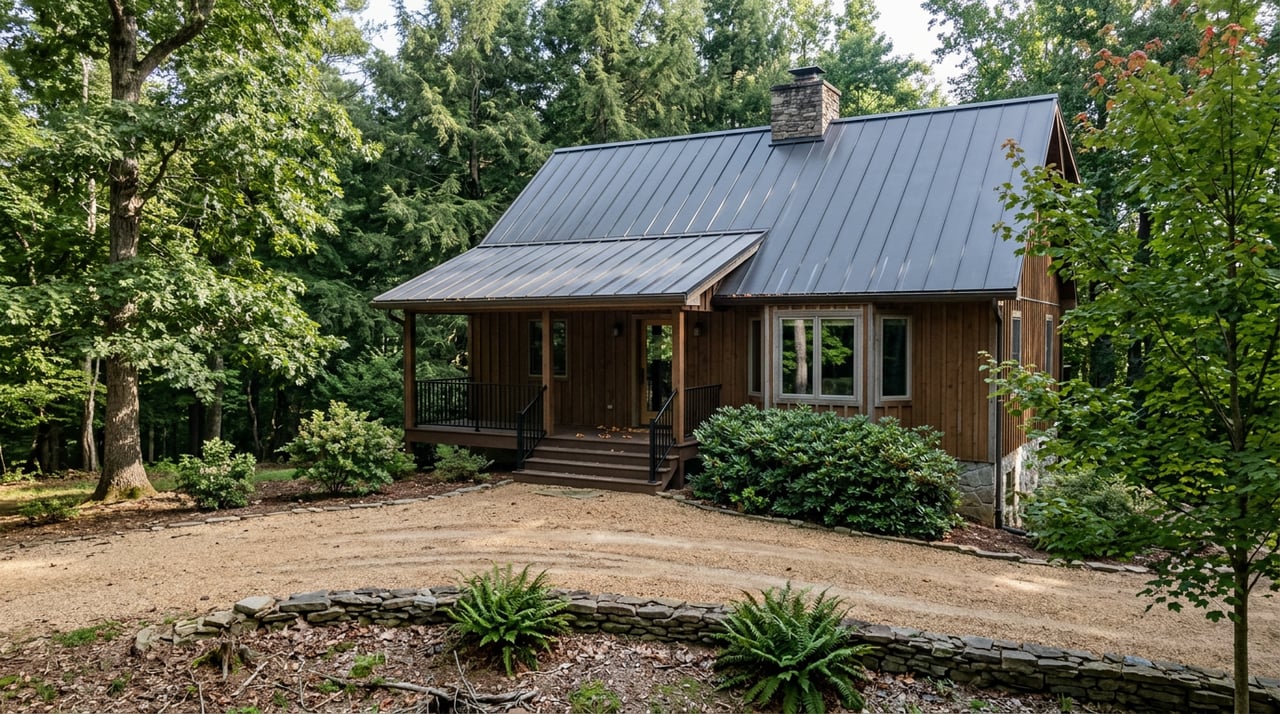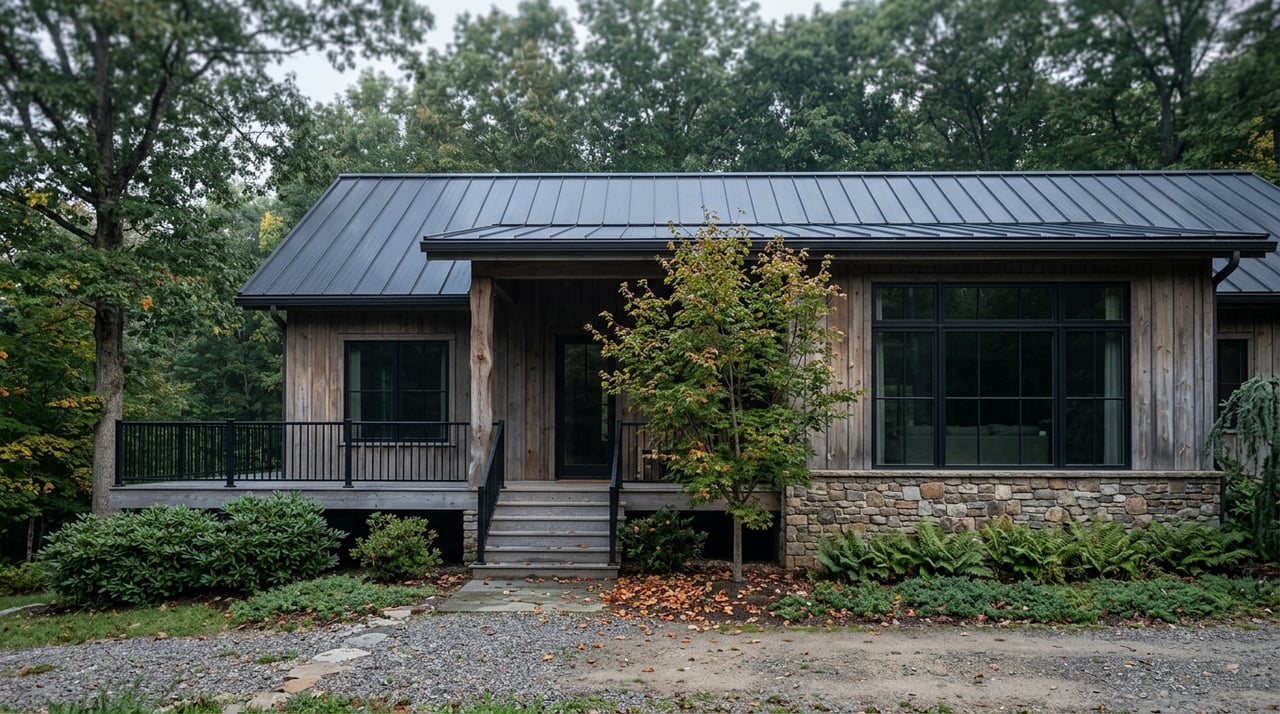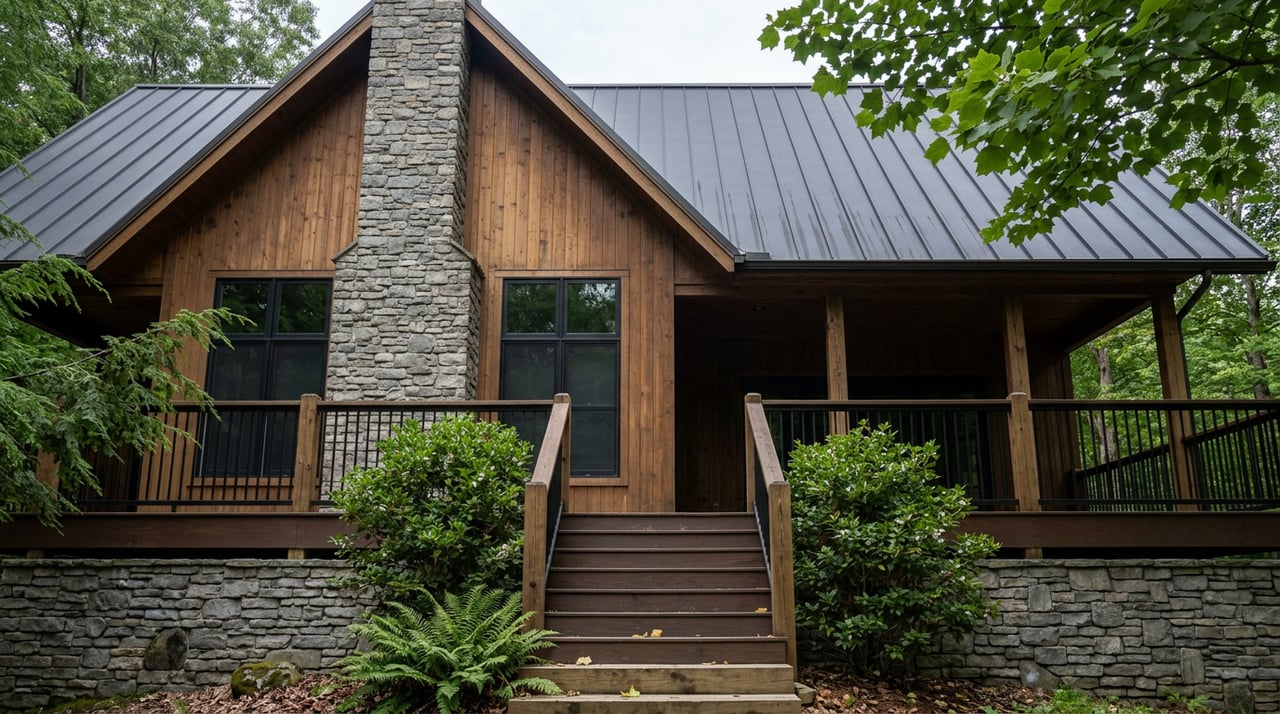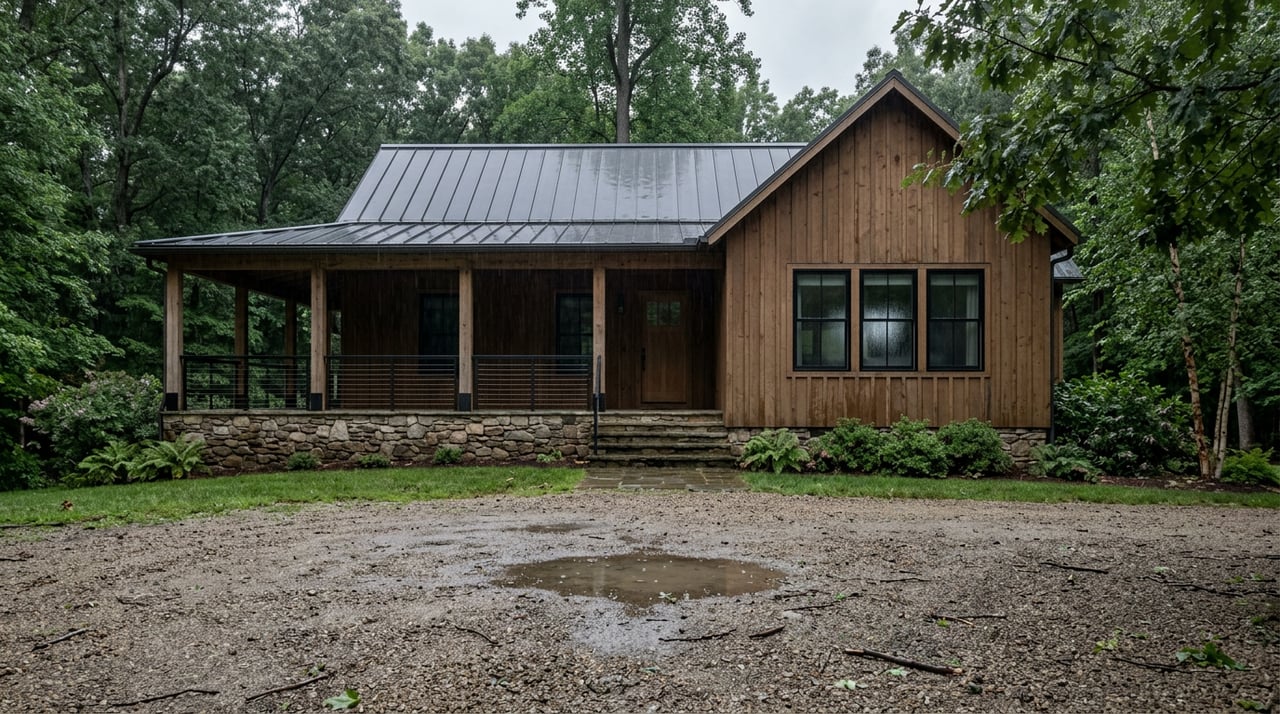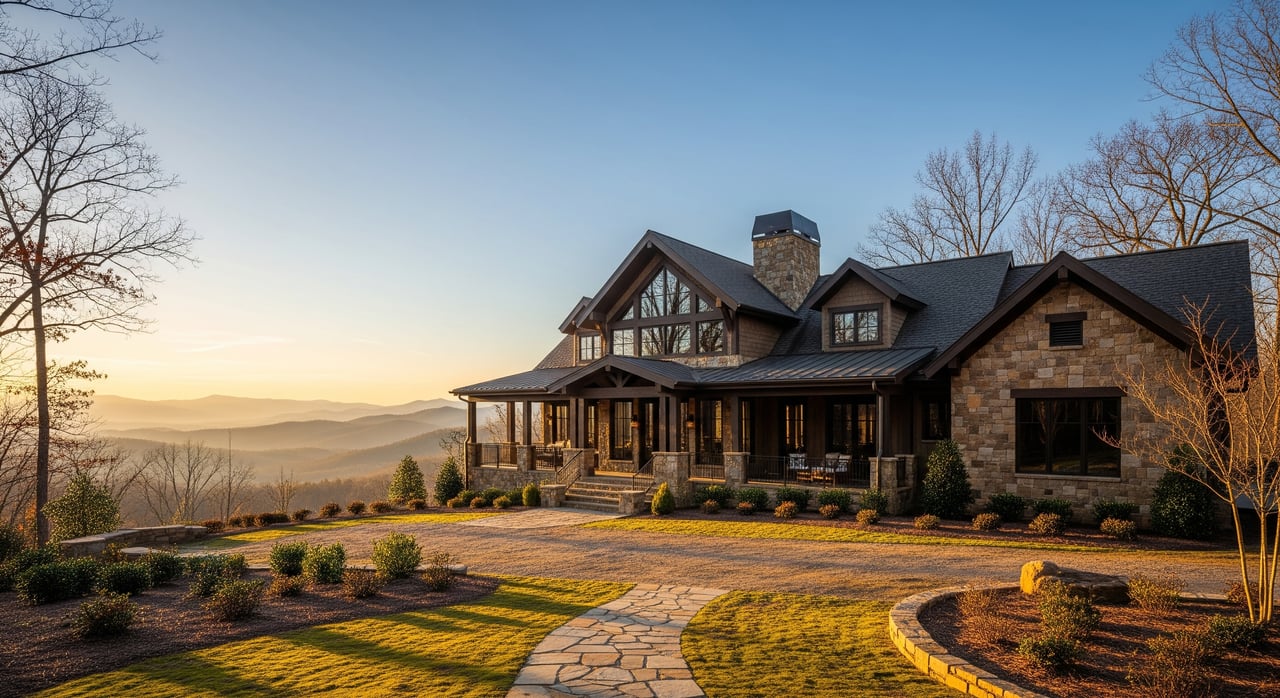
Dreaming of a mountain cabin you can slip away to on weekends? If Murphy and Cherokee County are on your shortlist, the right financing plan can make that second home feel closer than ever. You want clear answers on loans, costs, and what lenders look for in mountain properties so you can move forward with confidence. This guide breaks down your options, common underwriting questions in our area, the documents you’ll need, and a step-by-step plan to get mortgage-ready. Let’s dive in.
Second-home loan basics in Murphy
Buying a second home in Murphy typically fits into a few loan categories. Your best choice depends on your price point, financial profile, and how you plan to use the property.
Conventional conforming loans
For many buyers, a conventional loan is the simplest fit if the home meets second-home rules. Lenders often look for a down payment in the 10% to 20% range, higher credit scores, and debt-to-income within typical agency limits. Many also want several months of reserves, often around 6 months of principal, interest, taxes, and insurance. You get standardized guidelines and, in many cases, competitive rates compared to specialty products.
Jumbo loans
If your purchase price requires borrowing above conforming limits, a jumbo loan can bridge the gap. Expect higher down payment needs, commonly 20% or more, along with stricter credit and reserve expectations. Rates can be competitive but qualification is usually tighter.
Portfolio loans
If the cabin is unique, on a private road, or sits on larger acreage, a portfolio loan from a community bank or credit union can offer flexibility. These lenders set their own rules and may be more open to nonstandard properties. Rates and terms vary, and costs can be higher, but this path can solve issues that stall conventional financing.
Adjustable-rate mortgages (ARMs)
If you plan to keep the home only for a few years, an ARM can lower your initial payment. Just remember that payments can adjust later. Seasonal rental plans or income swings can make future resets feel less comfortable, so plan cash flow carefully.
FHA, VA, and USDA
These programs generally focus on primary residences, not second homes. There are narrow exceptions, but most second-home buyers will use conventional, jumbo, or portfolio options.
Cash, second mortgages, and HELOCs
Paying cash avoids underwriting altogether. If you have equity in your primary home, a second mortgage or HELOC can help fund the purchase. Lenders will still consider the risks tied to how you use the new property.
What lenders look for in mountain homes
Financing in the mountains includes a few extra checkpoints. Knowing them upfront helps you prepare and avoid delays.
Access and road maintenance
Lenders want to confirm year-round, reliable access. Private roads, steep drives, or gated easements may require documentation. Be ready to show recorded access agreements and how maintenance is funded, especially if an HOA or road group handles it.
Utilities and systems
Private wells, septic systems, and propane are common in Cherokee County. Lenders and insurers may ask for inspections and service records. Permanent utilities are preferred but private systems are widely accepted when in good condition.
Appraisals and comparable sales
Rural markets can have thin comparable sales. Appraisers may need to make larger adjustments or take more time to support value. In some cases, lenders respond with a higher down payment requirement to offset valuation risk. Expect a full interior inspection appraisal.
Insurance and hazard exposure
Insurability is critical. Flood risk, slope stability, wildfire exposure, and wind or hail can affect coverage and cost. If a home falls within a Special Flood Hazard Area, flood insurance is typically required by the lender. Get quotes early so you know coverage is available at a cost that fits your budget.
Occupancy and rental use
Be clear about how you plan to use the home. If you intend to use it as a vacation home with limited rental, many lenders can still classify it as a second home. If the primary intent is short-term rental, expect investment-style terms with higher down payment and reserves.
Marketability and resale
In thinner markets, lenders keep an eye on how easily a property could sell in a downturn. Unique or very remote properties can be viewed as higher risk. More equity can help offset that concern.
What to budget beyond the down payment
A smart budget covers both upfront costs and ongoing ownership expenses.
Upfront costs
- Down payment: plan on a typical range of 10% to 25% depending on loan type and property risk.
- Closing costs: usually 2% to 5% of the purchase price, including lender fees, title, escrow, and prepaid taxes and insurance.
- Reserves: many lenders ask for multiple months of PITI held after closing, often around 6 months for second homes.
- Inspections and due diligence: home inspection, septic and well evaluations, and any specialized checks recommended for the property.
Ongoing annual costs
- Mortgage payments: principal and interest.
- Property taxes: confirm current rates with county resources before you make an offer.
- Insurance: homeowner, plus flood if required or recommended based on risk.
- HOA or road fees: include private road maintenance if applicable.
- Utilities: electric, propane, septic service, and trash.
- Maintenance: many owners set aside 1% to 2% of the home value per year. Properties with acreage or private systems may require more.
- Travel and management: set a realistic line item for trips and, if renting, a property manager.
- Seasonal costs: snow removal and storm readiness.
Documents you will need
You can speed up financing by organizing documents early. Lenders commonly ask for:
- Identification: a government-issued ID.
- Income: most recent pay stubs, W-2s for 2 years, and tax returns if self-employed or variable income.
- Assets and debts: 2 to 3 months of bank statements, retirement accounts for reserves, and statements for loans and credit cards.
- Credit items: letters explaining large deposits, inquiries, or past issues if needed.
- Property documents once under contract: signed purchase agreement, HOA documents, well and septic reports if applicable, insurance quote or binder, and proof of down payment source.
- Second-home specifics: proof of your primary residence and, if renting, any rental history or projections along with road maintenance agreements or easements.
Step-by-step plan to get ready in Murphy
Step 1: Talk to a local lender early
- Ask about second-home programs, down payment and reserve expectations, and appraisal norms for mountain cabins in Cherokee County.
Step 2: Get pre-qualified or pre-approved
- This helps you understand your budget, likely terms, and the reserves you should plan to hold.
Step 3: Verify insurance and hazards before you go under contract
- Get preliminary quotes for homeowner and flood insurance where needed. Early confirmation can prevent last-minute surprises.
Step 4: Confirm access and utilities
- Identify road type, who maintains it, and whether winter access is realistic for your plans. Order septic and well inspections if relevant.
Step 5: Prepare for the appraisal
- Expect a thorough review. Your agent can help gather local comparables and highlight unique value features for the appraiser.
Step 6: Clarify rental plans and rules
- If you plan to rent, confirm county and HOA requirements. Share your plans with the lender so the loan is structured correctly.
Tips to keep your deal on track
- Be conservative with your budget. Build in reserves for seasonal surprises and maintenance.
- Keep your paper trail clean. Large deposits and new credit inquiries can slow underwriting.
- Order key inspections early. Septic and well findings can affect both insurability and loan approval.
- Confirm road agreements. Get recorded access and written maintenance plans when private roads are involved.
- Start insurance shopping right away. Coverage availability can determine whether a property is financeable.
How The Randy Dockery Team helps
Second-home purchases in Murphy work best with local guidance. You get help matching your plans with the right lenders, collecting the documents lenders want for mountain properties, and understanding local nuances like road maintenance, wells and septics, and realistic rental expectations. From pricing advice and comp support to coordination with inspectors and insurers, you have a team that treats you like a neighbor and keeps your transaction moving.
If you are exploring a second home in Murphy or Cherokee County, reach out to the local team that knows these mountains well. Start a conversation with The Randy Dockery Team and get practical, step-by-step guidance tailored to your goals.
FAQs
What counts as a second home for lenders?
- A property you intend to occupy for part of the year, separate from your primary residence, typically without full-time tenants; your lender will confirm occupancy plans.
Are down payment requirements higher for Murphy cabins?
- Often yes; many second-home loans fall in the 10% to 20% range, and unique or higher-risk properties may require more equity.
Can I use short-term rental income to qualify?
- Lenders may consider documented rental history or projections, but short-term rental income is reviewed carefully and may not fully count toward qualification.
Will I need flood insurance in Cherokee County?
- If the home sits in a high-risk flood zone, lenders typically require flood insurance; even outside those zones, a quote can help you assess risk and cost.
What reserves should I plan to hold after closing?
- Many lenders want several months of PITI in reserve for second homes, commonly around 6 months, with more possible for higher-risk situations.
How do private roads affect financing?
- Lenders often require recorded access and proof of a maintenance agreement or funding plan; lacking documentation can delay or limit loan options.